Showing posts with label Aviano. Show all posts

Monday, October 24, 2011

81st Fighter Squadron A-10Cs caught at Aviano during Operation Odyssey Dawn (Part Two)

Updated October 25, 2011

By Joachim Jacob, Warthog News Editor

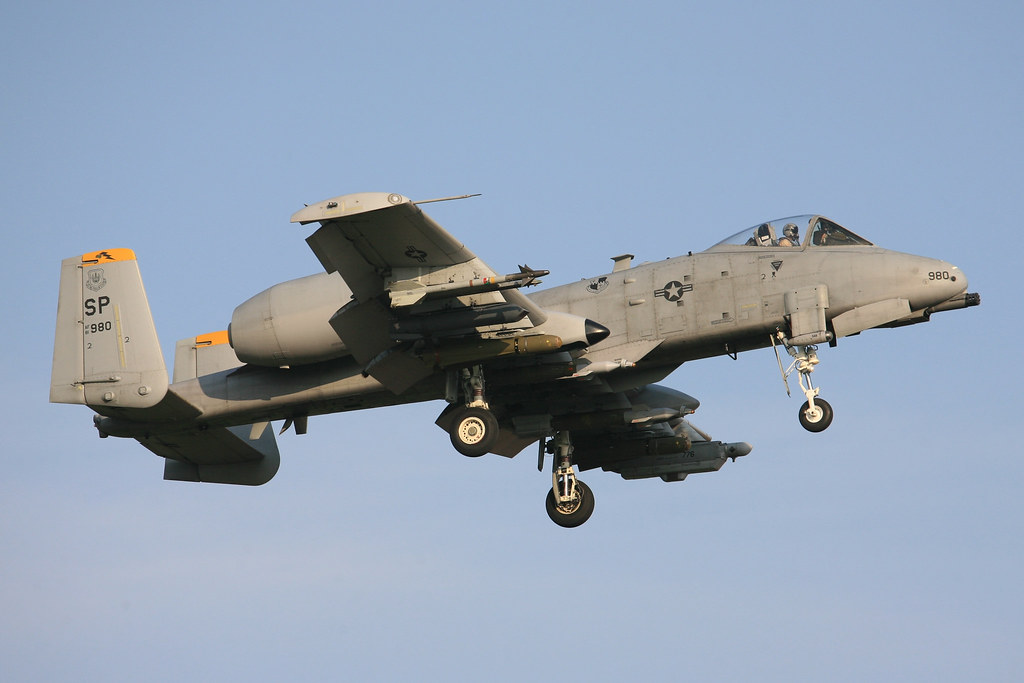
Some days ago, from Lars Kitschke, Germany, I got the kind permission to post his following two shots, taken at Aviano AB, Italy, during Operation Odyssey Dawn. Both pictures were already published on his own website and posted on AIRFIGHTERS.COM.


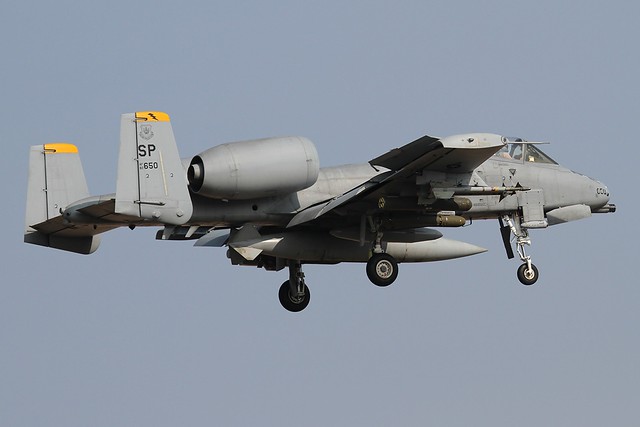
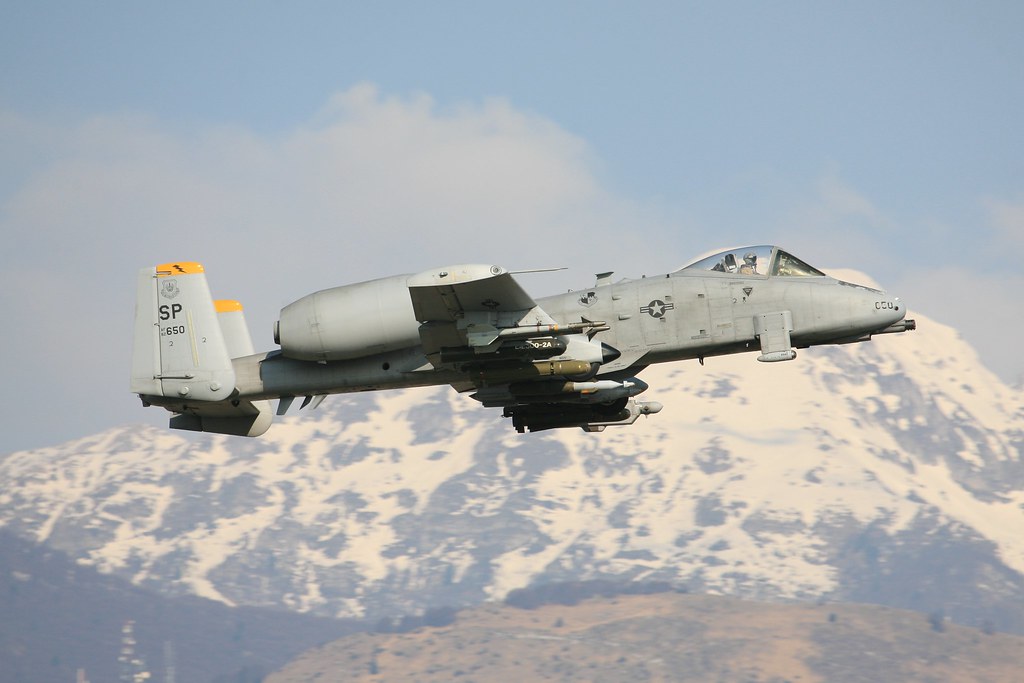
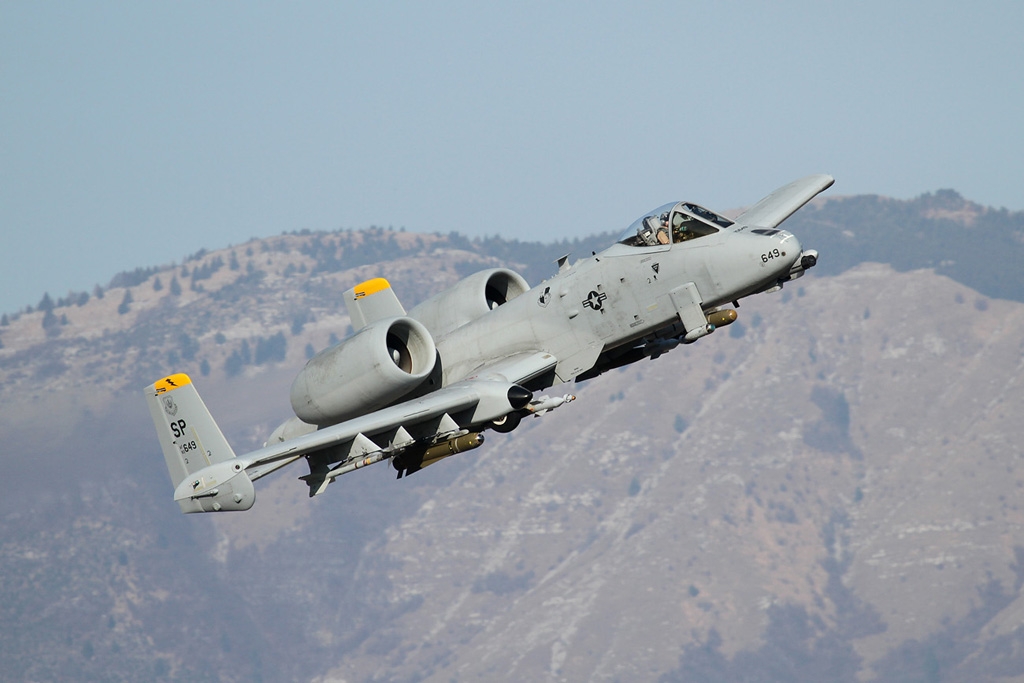
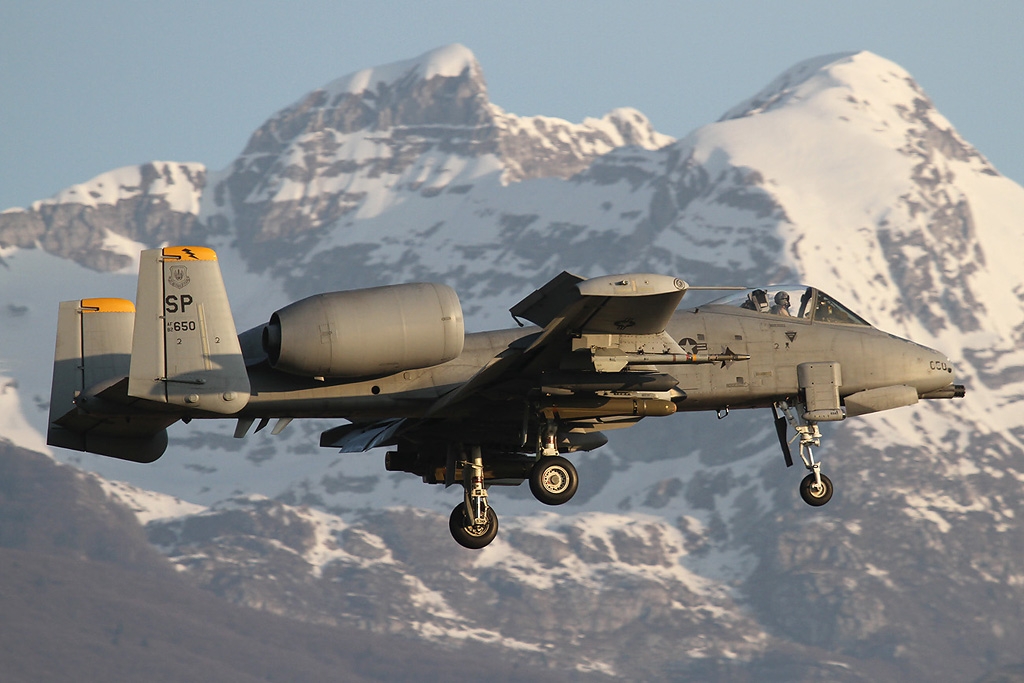
A-10C 82-0650 takes off for a combat mission on March 30, 2011. (Photo by Lars Kitschke) Full size


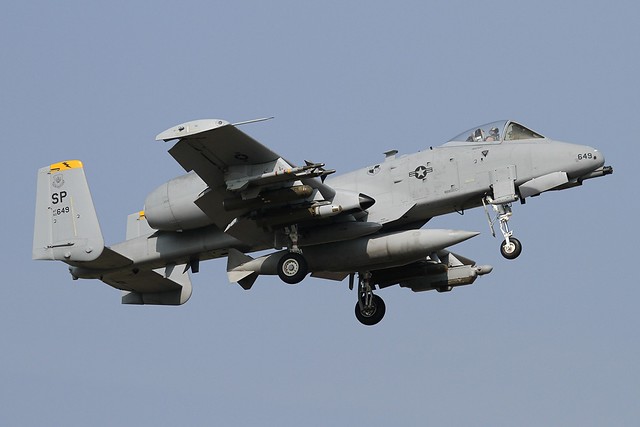
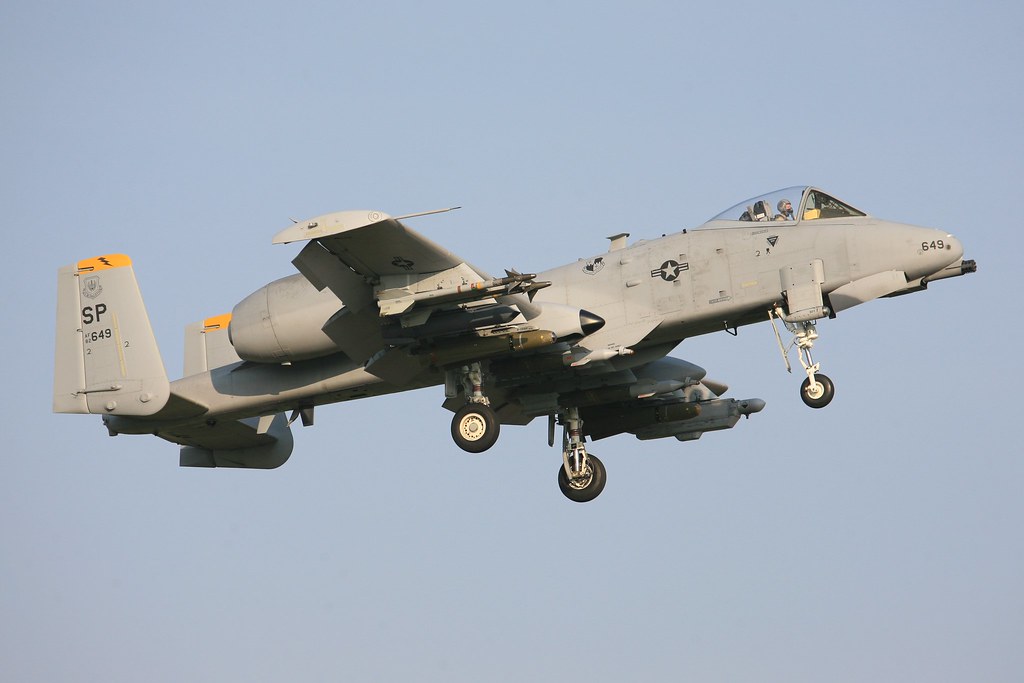
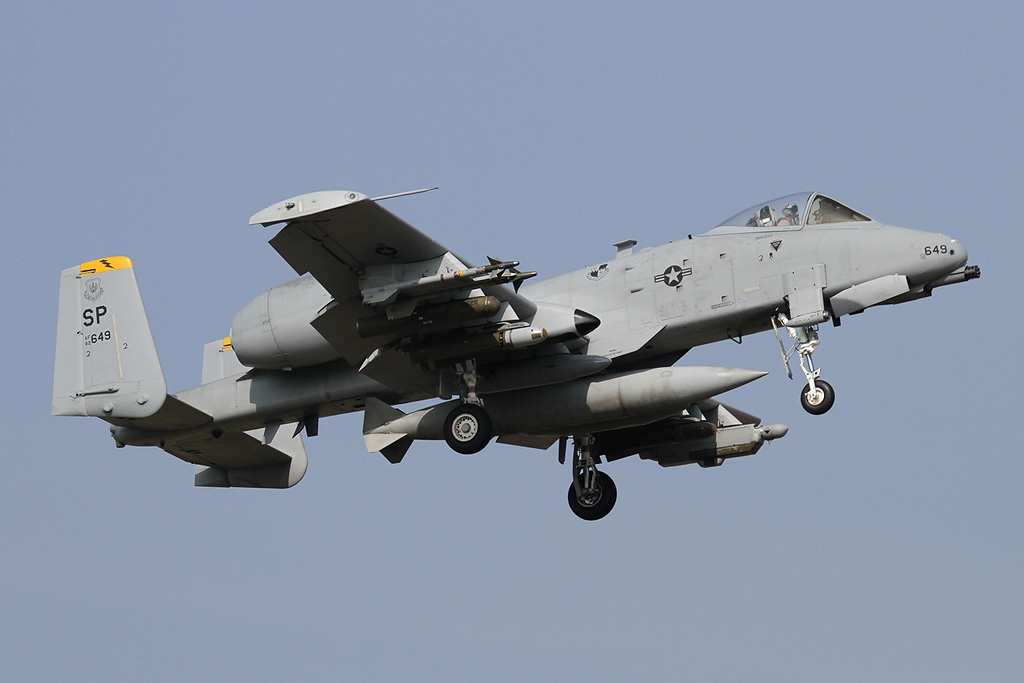
A-10C 82-0649 returns from a combat mission on March 31, 2011. (Photo by Lars Kitschke) Full size

Please note: Special thanks to Lars for his O.K. to share both pictures also on my blog.

Update October 25, 2011:

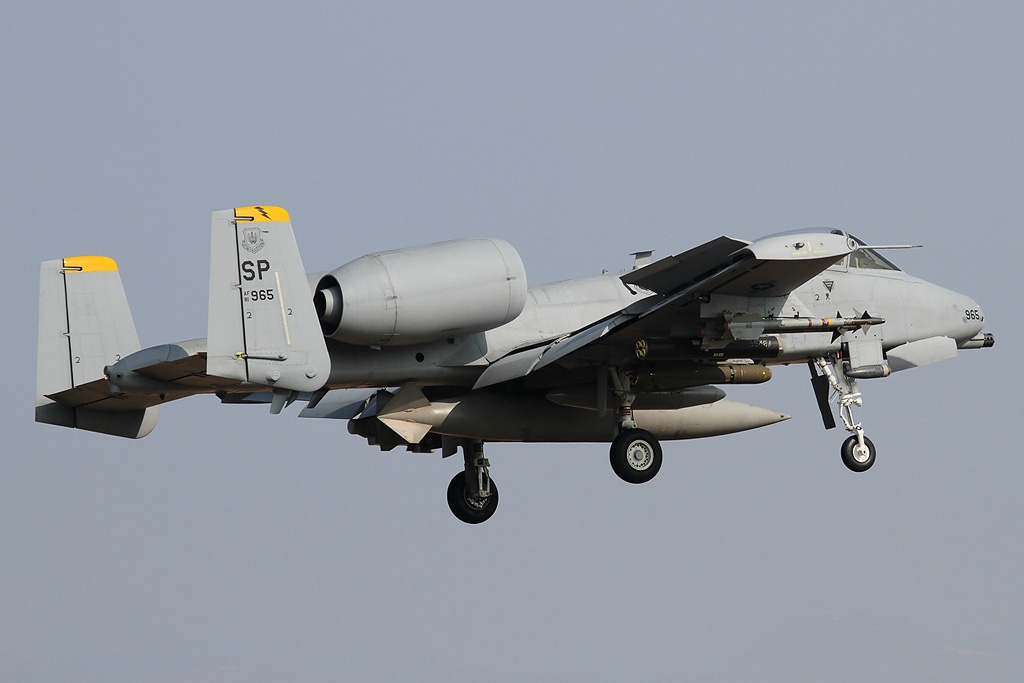
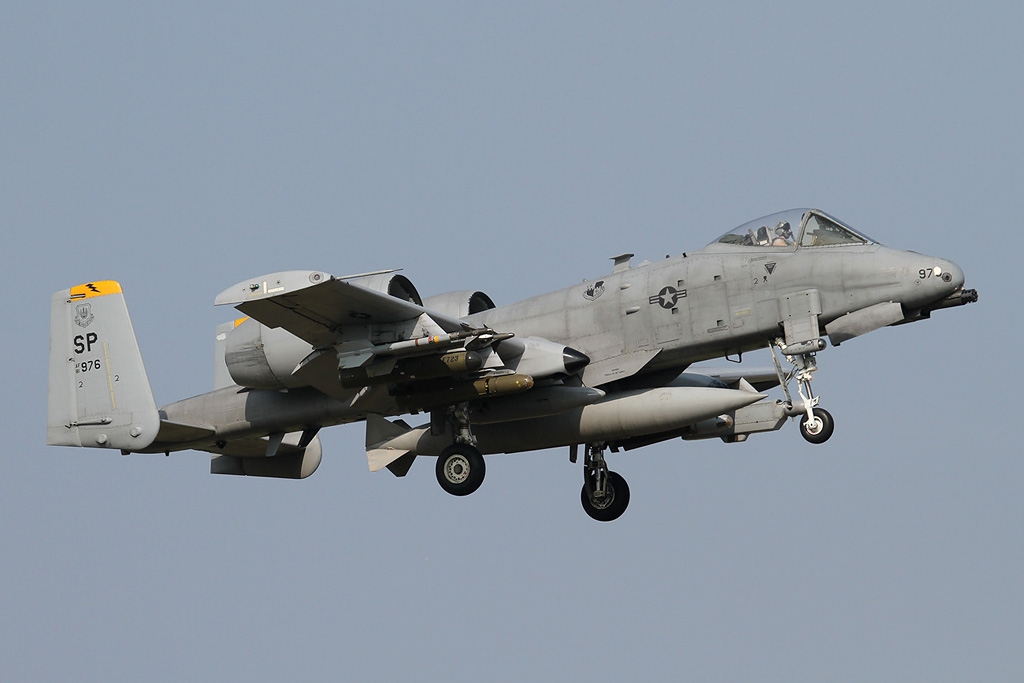
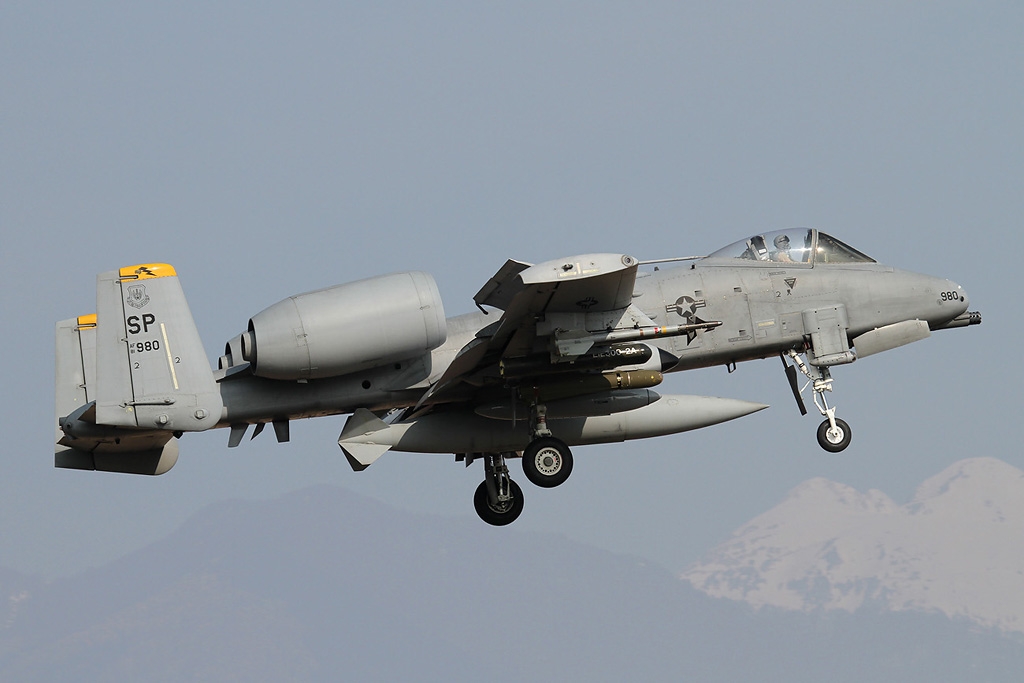
Just after notification about this post, Lars checked his Aviano archives again and provided me the following two additional shots:


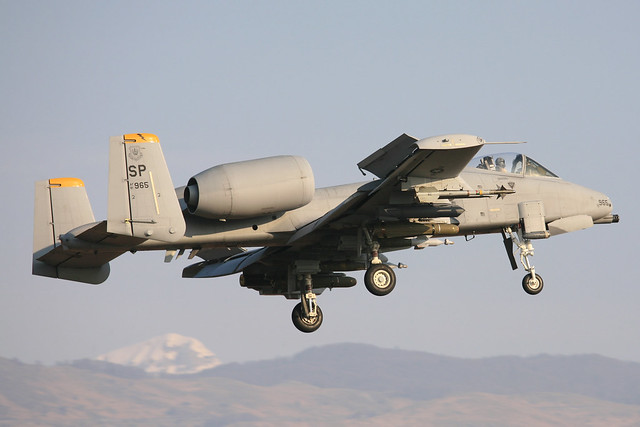
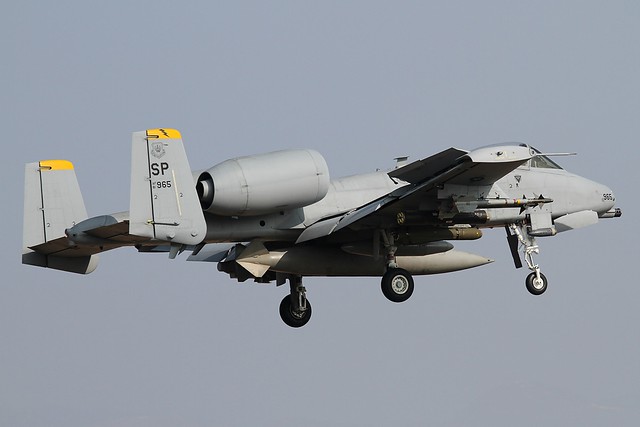
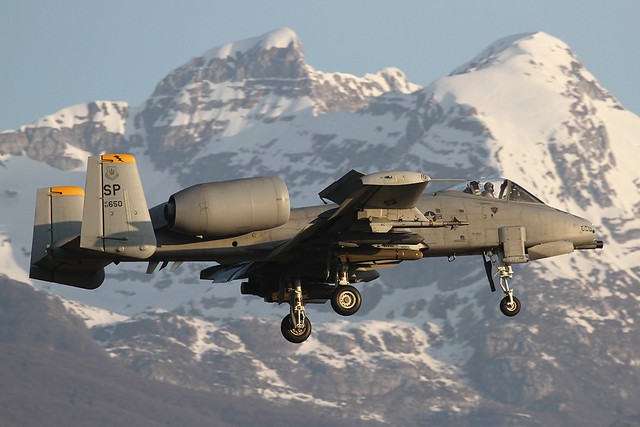
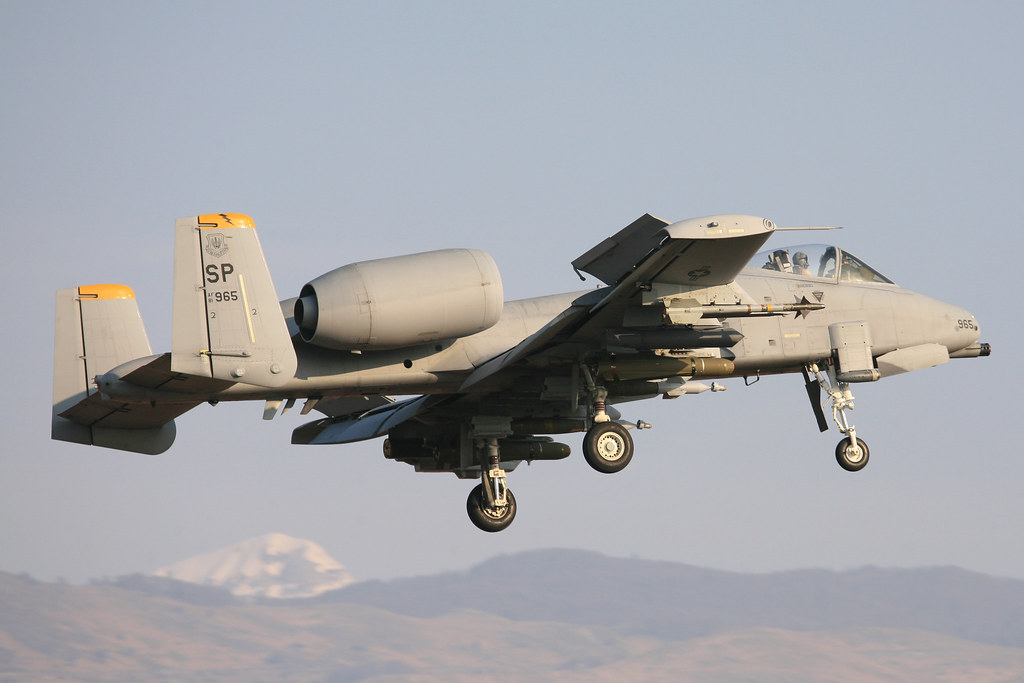
A-10C 81-0965 returns from a combat mission on March 31, 2011. (Photo by Lars Kitschke) Full size


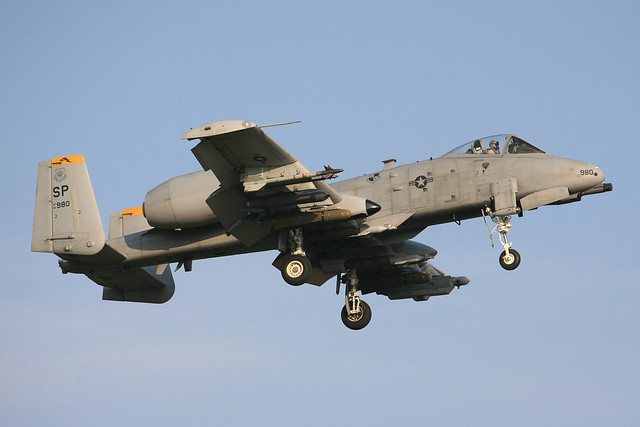
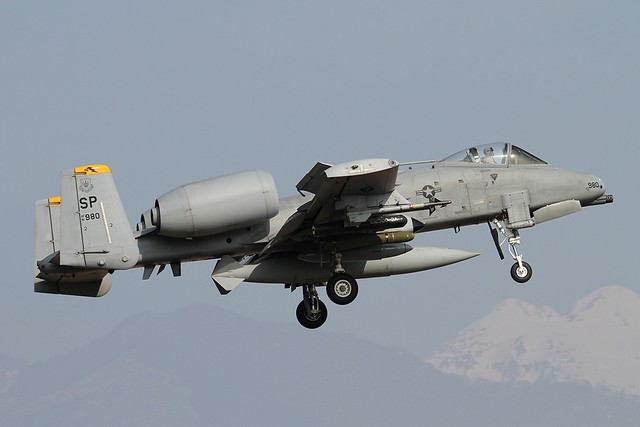
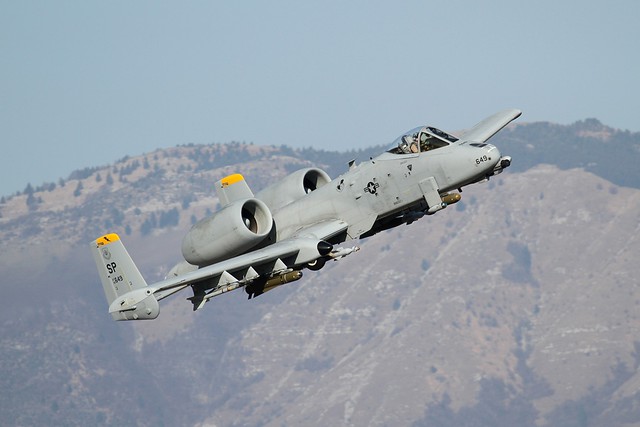
A-10C 81-0980 returns from a combat mission on March 31, 2011. (Photo by Lars Kitschke) Full size

See also:
81st Fighter Squadron A-10Cs caught at Aviano during Operation Odyssey Dawn
Operation Odyssey Dawn

Saturday, October 15, 2011

81st Fighter Squadron A-10Cs caught at Aviano during Operation Odyssey Dawn

By Joachim Jacob, Warthog News Editor

The recent combat deployment of A-10Cs from the 81st Fighter Squadron, 52nd Fighter Wing (USAFE), Spangdahlem AB, Germany, in support of Operation Odyssey Dawn against the Lybian regime is still underexposed. I would like to get some more detailled deployment info, including photos taken by European aircraft spotters.

Involved in OOD were six A-10Cs from the 81st Fighter Squadron. As mentioned on the Dutch Scramble Messagebord, they arrived at Aviano AB, Italy, on Friday, March 25, 2011 (Callsign Attack 01-06). In order of landing were logged: 81-0980, 81-0976, 81-0966, 81-0965, 82-0650 and 82-0649.

Aircraft in order of serial numbers:
A-10C 81-0965
A-10C 81-0966, marked "52 OG" as the 52nd Operations Group's boss bird
A-10C 81-0976
A-10C 81-0980
A-10C 82-0649
A-10C 82-0650

And it seems they were joined later by A-10Cs 82-0646 and 82-0656.

Some days ago, Giampaolo Tonello from Italy provided me the following exclusive shots, taken by him at Aviano:


A-10C 81-0965 arrives on March 25, 2011. (Photo by Giampaolo Tonello) Full size


A-10C 81-0966, marked "52 OG" as the 52nd Operations Group's boss bird, arrives on March 25, 2011. (Photo by Giampaolo Tonello)) Full size


A-10C 81-0976 arrives on March 25, 2011. (Photo by Giampaolo Tonello) Full size


A-10C 81-0980 arrives on March 25, 2011. (Photo by Giampaolo Tonello) Full size


A-10C 82-0649 arrives on March 25, 2011. (Photo by Giampaolo Tonello) Full size


A-10C 82-0650 arrives on March 25, 2011. (Photo by Giampaolo Tonello) Full size


A-10C 81-0965 returns from a combat mission on April 2, 2011. (Photo by Giampaolo Tonello) Full size


A-10C 82-0649 departs for a combat mission on April 2, 2011. (Photo by Giampaolo Tonello) Full size


A-10C 82-0650 returns from a combat mission on April 2, 2011. (Photo by Giampaolo Tonello) Full size

Please note: Special thanks to Giampaolo for his kind permission for posting these exclusive pictures on Warthog News! Great job, well done!

See also:
Operation Odyssey Dawn

By the way:
I like the phantastic enthushiasm of European aircraft spotters to document airplane movements. And their exclusive shots are a very hot source also for my blog. Are their any other photographers who would like to share their A-10C OOD pictures?

Saturday, May 14, 2011

More Operation Odyssey Dawn A-10C video stuff

Just found on YouTube: An A-10C landing at Aviano AB, Italy, April 2, 2011:


This video was uploaded to YouTube by CLUBFT113 on April 3, 2011.

BTW: Anyone who will share with me photos and video clips of A-10Cs, involved in Operation Odyssey Dawn? That should be very helpful to document the "Hog's" most recent combat deployment for the history books. From a German aircraft spotter on FlugzeugForum I've already got his announcement that he will provide exclusive Aviano shots, taken by him, to support Ken Neubeck's upcoming new Squadron/Signal A-10 book. That would be really very nice.

Saturday, May 7, 2011

81st Fighter Squadron A-10Cs return home from Aviano after combat action over Libya

Updated May 8, 2011

As reported on the well-recommended Dutch Scramble Messageboard, the following four A-10Cs from the 81st Fighter Squadron, 52nd Fighter Wing, Spangdahlem AB, Germany, were logged by arrival at "Spang" May 5, 2011, all of them with an external fuel tank: 81-0980, 81-0965, 82-0646, 82-0656.

That means, it could be that they were on their way back home to "Spang" after a combat deployment to Aviano AB, Italy, in support of Operation Odyssey Dawn.

First pictures, taken by two different photographers, were posted at the Dutch Scramble Messageboard. Please check: Spangdahlem ETAD 5-5-2011

Among the aircraft spotters who had the opportunity to caught the arriving four "Hogs" was Niels Roman from the Netherlands. After asking him via PM on the Dutch Scramble Messageboard, today, on May 8, I got his kind permission to post his excellent and very rare shots on my blog:


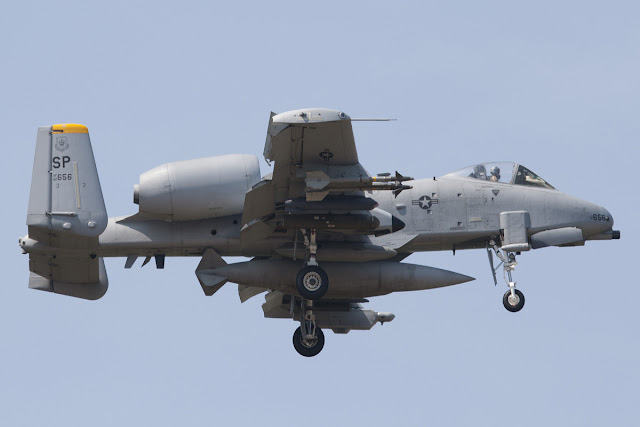
A-10C 81-0965 (Photo by Niels Roman)


A-10C 81-0965 again. (Photo by Niels Roman)


A-10C 81-0980 (Photo by Niels Roman)


A-10C 82-0646 (Photo by Niels Roman)


A-10C 82-0656. Note the absence of the black lightning on the yellow fin cap. (Photo by Niels Roman)

Special thanks to Niels for supporting Warthog News!


As already mentioned on the Dutch Scramble Messagebord, six of the squadron's aircraft arrived at Aviano AB, Italy, on Friday, March 25, 2011 (Callsign Attack 01-06). In order of landing were logged: 81-0980, 81-0976, 81-0966, 81-0965, 82-0650 and 82-0649.

Aircraft in order of serial numbers:
A-10C 81-0965
A-10C 81-0966
A-10C 81-0976
A-10C 81-0980
A-10C 82-0649
A-10C 82-0650

And now, it seems that they were joined later by A-10Cs 82-0646 and 82-0656.

Unfortunately, I still don't have any photo proofs from Aviano.

I would be very grateful for any additional pictures to document this combat deployment.

Friday, April 1, 2011

Air War over Libya, in The Pilots' Words

U.S. A-10 and F-15E pilots who are flying missions over Libya tell us their stories from the front lines of Operation Odyssey Dawn

By Joe Pappalardo
Popular Mechanics
March 31, 2011 6:30 AM

Peace one day, war the next: It's the life of a combat pilot. And because Operation Odyssey Dawn—the U.S.-NATO effort to curtail Muammar Gaddafi's suppression of a revolt in Libya—so far relies exclusively on air power, American airmen are again at the sharp edge of history. PM spoke to U.S. Air Force F-15E Strike Eagle and A-10 Thunderbolt II ("Warthog") pilots to see the unfolding operation from their perspective.

Pilots take a keen interest in international affairs, particularly at Lakenheath Royal Air Force Base, which hosts the 48th Fighter Squadron. Two variants of multipurpose F-15s operate from the air base, training weekly with NATO partners to perfect air superiority missions and deliver accurate air-to-ground weapons. "We support exercises for both the Air Force and NATO," says one 27-year-old F-15E pilot, call sign Slam. "It almost of doubles our workload. But when things like this pop up, we've been training for it."

(The Air Force asked PM to only use call signs to identify pilots, to prevent harassing phone calls or violent reprisals to themselves or their families. We accepted: Gaddafi has been known to employ terrorists and hit men to reach foreign targets.)

The first sure sign of impending violence came when the United Nations voted to approve the formation of a no-fly zone and protective cordon for Libyan civilians and anti-Gaddafi rebels. "Our ears perked up when the UN Security Council resolution was kicking off," says Slam. "It did happen quick…It was less than a week, so we probably had not too much more warning than you did. But we're prepared to handle that."

For Slam and his rear-seat Weapons System Officer, call sign Axel, the next stop was a briefing room in England. "We had to prepare for the missions we were about to embark on. There was intel briefings, and the leadership broke down a game plan on how to mitigate [anti-aircraft] threats, enforce the no-fly zone and protect civilians down here. After that we deployed to Aviano [Air Base, in Italy.]"

The pace of operations is regulated by mandatory sleep cycles. "We go into crew rest about 12 hours before we fly," Slam says. "We get rested up and then we'll start getting some idea of what the mission will be that day."

By the time the crew is ready to hear the details of the mission, called the flight briefing, commanders have often selected specific targets already. The airmen were instructed not to discuss specific missions, but officials say that U.S. warplanes have engaged radars, anti-aircraft missiles, airfields and ground forces. "During the flight briefings we'll find out more specifically what we'll be striking that day," Axel says. "After that, we'll 'step to fly' and then go make it happen. It's been a variety of targets that we're striking to protect civilians and help us implement the no-fly zone."

In addition to engaging planned targets, the pilots' rules of engagement also permit them to attack targets that are taking aggressive action against U.S. planes or Libyans on the ground. "We execute both types of missions, and it's not really more one than the other," Slam says.

As continued missile and airplane strikes degraded Libyan air defenses, new warplanes joined the fight. Last weekend. A-10 aircraft arrived to add muscle to the ground attacks against Gaddafi's armored vehicles, armed pickup trucks and truck transports. It was time for one 30-year-old pilot, call sign Cab, to join the war.

Cab serves with the 81st Fighter Squadron, based at Spangdahlem Air Base in Germany, but is stationed in Aviano to participate in Odyssey Dawn. "We came in after the first wave," he says. "The squadron just got back from Afghanistan recently, so we already kind of on a war footing. They told us where to go and we were there in a couple of days."

For Cab, his recent combat experience augmented the joint training that the 81st conducts with allied NATO pilots, including those flying over Libya now like the Dutch and French. "Almost everything we do is with NATO in mind. And working with International Security Assistance Force in Afghanistan, that's almost like NATO, right? We're working right alongside those guys. I've flown [on strike missions] with some of the guys who were in Afghanistan. It's transparent to us who's got command and control. As far as A-10s are concerned, we're used to it in Afghanistan."

The A-10 is ugly airplane that is beloved by U.S. and NATO infantry troops for its ability to fly low and tear enemies apart with precise 30mm rotary cannon fire. It was designed to kill Soviet tanks, but in recent years the airplane has remained a valuable tool for providing close air support.

Close air support is a touchy subject during Odyssey Dawn. It's always better to have a human on the ground, a Joint Tactical Air Controller (JTAC), to direct the bombs and gunfire coming from above. But in Libya, where the UN mandate does not include supporting the opposition fighters to oust Gaddafi, there is no acknowledged airstrike coordination between rebels and NATO—though that official statement may be ignoring (as the NY Times reported today) clandestine British Special Forces teams or CIA operators who can direct air strikes. What we do know is that an entire fleet of networked surveillance aircraft are relaying the location of ground targets to pilots, who can use sensors that can peer through clouds and smoke, day or night, to hone in on them. Open desert strikes would be easy under these conditions; precision strikes in towns and cities would be more difficult.

Cab is understandably, and rightfully, unwilling to part with any information that could compromise himself, his allies or his mission. When we asked if the advanced imaging systems used on the A-10 and other airplanes could identify targets of opportunity without guidance from trained personnel below, he said: "No targeting pod can fill the shoes of a JTAC. But we did it Gulf War one—'hogs were there without JTACs on the ground. I can't really say much more."

No pilot, even one in a single-seat warplane like the A-10, ever flies alone. There are hundreds of Air Force personnel at Aviano making these missions happen—including weapons handlers, air traffic controllers, escort jamming warplanes and the crews of refueling tankers. "Pilots are kind of like sideline players," Cab says. "We've got a couple hundred people working for us where we're deployed. The airplane I fly is the same age as I am, so I have to give a specific shout-out to the maintainers here because they are kicking ass."

Source
Wednesday, March 30, 2011

US Navy P-3C, USAF A-10 and USS Barry Engage Libyan Vessels

Joint Task Force Odyssey Dawn Public Affairs

USS MOUNT WHITNEY, In Port, Mar 29, 2011 — A U.S. Navy P-3C Maritime Patrol aircraft, a U.S. Air Force A-10 Thunderbolt attack aircraft and guided-missile destroyer USS Barry (DDG-52) engaged Libyan Coast Guard vessel Vittoria and two smaller crafts after confirmed reports that Vittoria and accompanying craft were firing indiscriminately at merchant vessels in the port of Misratah, Libya, during the evening March 28, 2011.

The P-3C fired at Vittoria with AGM-65F Maverick missiles after multiple explosions were observed in the vicinity of the port rendering the 12-meter patrol vessel ineffective and forcing it to be beached.

Two small crafts were fired upon by an A-10 using its 30mm GAU-8/ Avenger Gatling cannon, destroying one and forcing the other to be abandoned.

Barry provided situational awareness for the aircraft by managing the airspace and maintaining the maritime picture.

The P-3C, A-10 and Barry are currently supporting operations for Joint Task Force Odyssey Dawn.

Joint Task Force Odyssey Dawn is the U.S. Africa Command task force established to provide operational and tactical command and control of U.S. military forces supporting the international response to the unrest in Libya and enforcement of United Nations Security Council Resolution (UNSCR) 1973. UNSCR 1973 authorizes all necessary measures to protect civilians in Libya under threat of attack by Qadhafi regime forces.

Source

See also:
US Navy P-3C, USAF A-10 and USS Barry Engage Libyan Vessels
P-3C, A-10 fire on Libyan patrol vessels

Tuesday, March 29, 2011

A-10Cs have attacked Libyan regime forces in support of Operation Odyssey Dawn, Gortney says

BREAKING NEWS

By Joachim Jacob

According to a Pentagon press briefing held yesterday, A-10C Thunderbolt IIs have already attacked Libyan regime forces threatening civilians. In direct response to a reporter's question, U.S. Navy Vice Adm. Bill Gortney, director of the Joint Staff, said: "We have employed A-10s and AC-130s over the weekend."

Involved should be A-10Cs from the 81st Fighter Squadron, 52nd Figher Wing (USAFE), Spangdahlem AB, Germany. As already mentioned on the Dutch Scramble Messagebord, six of the squadron's aircraft arrived at Aviano AB, Italy, on Friday, March 25, 2011 (Callsign Attack 01-06). In order of landing were logged: 81-0980, 81-0976, 81-0966, 81-0965, 82-0650 and 82-0649.

Aircraft in order of serial numbers:
A-10C 81-0965
A-10C 81-0966
A-10C 81-0976
A-10C 81-0980
A-10C 82-0649
A-10C 82-0650

(See Scramble topic: Libya - UN no-fly zone - Coalition overview)

Sorry! But because the coalition was talking only about a no-fly zone, I did'nt really expected any A-10C involvement. And so, for some days, I overlooked Scramble's latest OOD deployment info.

On the other hand, I also thinked about a possible involvement of 75th Expeditionary Fighter Squadron A-10Cs which are now on their way back home from Afghanistan to Moody AFB, Georgia.

But a very helpful private contact in the United States e-mailed me later today: We will have to start calling them the "Lost Squadron" pretty soon. They are still stuck in Quatar waiting for tanker support. They are hoping to get out this weekend and have resorted to trying to find their own gas and tankers for the trip.

That means: The ten returning 75th EFS A-10Cs are still on stopover at Al Udeid AB, Quatar, home of the 379th Air Expeditionary Wing. Let find the assigned pilots and maintainers any way to went home soon after their half-year Afghanistan combat deployment. Good luck!


Official background info:


U.S. Navy Vice Adm. Bill Gortney, director of the Joint Staff, conducts a press briefing about the current situation in Libya at the Pentagon, March 28, 2011. (DOD photo by Cherie Cullen)


DOD News Briefing with Vice Adm. Gortney from the Pentagon on Libya Operation Odyssey Dawn

Presenter: Vice Adm. Bill Gortney, Director of the Joint Chiefs of Staff
March 28, 2011

[...]

Q: Admiral, the effect if not the intention of western intervention in Libya with air power has been to help the rebels regain the initiative. As your first map showed, they've gone on the offensive and moving westward. I'm wondering if you intend to exploit that success by adding additional aircraft to the -- to the fight, like close air-support aircraft like the A-10?

ADM. GORTNEY: Well, first off, we're not in direct support of the opposition. It's not part of our mandate, sir. And we're not coordinating with the opposition. Our strategy continues to be to pressure him where we think it's going to give us the best effect. We see that possibly occurring here, but given the events that you see on the battlefield. And anytime that you do see an opportunity like that, good commanders in the field will try and exploit that opportunity. And you see if we -- the number of the strike sorties that you saw, I think, is a direct result of that.

Q: And the aircraft that I mentioned, are you having A-10s and AC-130s?

ADM. GORTNEY: We have employed A-10s and AC-130s over the weekend. Yes, sir.

Q: Can you say where and in what capacity and --

ADM. GORTNEY: No, I'm not able to tell you that at this time.

Q: So it was Saturday and Sunday?

ADM. GORTNEY: Yeah, it was over the weekend. Yes, sir.

[...]

Q: You're using the Warthog, the A-10, and then the AC-130Us, I guess. Are those allowing you to attack Gadhafi's forces in the cities now --

ADM. GORTNEY: I'm not -- I'm not going to talk about specifically how any of the weapons systems are being employed.

Q: Thanks.

[...]

Q: Admiral, I think by definition, the A-10 and the AC-130 are defined as combat-support aircraft. Obviously, you're not in coordination with the ground forces, the opposition, but what -- these aircraft are clearly targeting Libyan -- Gadhafi's forces, maneuver brigades, I guess. Is that the message, that with these aircraft we're going to take you out?

ADM. GORTNEY: Well, both those platforms are -- expend precision munitions. So do F-16s, so do F-18s, so do Rafales. They're precision munitions. So it's really the -- it's not so much the platform as the weapon that's expending it.

So I don't call them combat support. They're combat aircraft, and they deliver a precision effect.

[...]


One of the slides, presented during this Pentagon press briefing. It shows different attacks against "Maneuver Forces".


Source

Libyan Regime Forces Feel Effects of Coalition Attacks

By Jim Garamone
American Forces Press Service

WASHINGTON, March 28, 2011 – Moammar Gadhafi's forces are feeling the effects of the coalition attacking command and control centers and logistics hubs, as evidenced by the progress the Libyan opposition has made, the director of the Joint Staff said during a Pentagon briefing today.

Coalition aircraft – now including Air Force A-10 Warthogs and AC-130s – have attacked regime forces threatening civilians. They also have hit command and control centers, ammunition supply points, missile sites and radars.

[...]


Source


BTW:
Operation Odyssey Dawn (OOD) opens a brand-new chapter of A-10 Thunderbolt II ("Warthog") combat operations. FREE LIBYA!