KTVB.COM
Posted on October 13, 2010 at 4:12 PM
Updated today at 8:23 AM
BOISE – There will be a lot more military aircraft than usual in the skies over southwest Idaho this week.
It's all part of the "Hawgsmoke 2010" competition at Gowen Field.
From Wednesday through Saturday, U.S. Air Force A-10 aircraft from around the world will be in Boise.
Eighteen teams and more than 40 aircraft will compete, and more than 200 pilots and maintenance personnel will visit Gowen Field for the competition, a biennial, worldwide A-10 bombing, missile, and tactical gunnery competition.
Idaho National Guard officials say Hawgsmoke is an intense competition to hone combat skills as well as an opportunity to build camaraderie and fellowship of the world's premier Close Air Support fighter, the A-10 "Warthog."
The 2010 competition is being hosted by the 190th Fighter Squadron.
This after the Idaho Air National Guard's A-10 team took top overall team honors at the 2008 Hawgsmoke hosted by the 303rd Fighter Squadron in Salinas, Kansas. The previous winner of the competition typically host the next one.
More information is available at http://www.hawgsmoke.com.
Associated slideshow
Source
Note:
One day later, on October 14, 2010, at 2:09 PM, the same news stuff with the same headline was posted by Northwest Cable News (NWCN)
Thursday, October 14, 2010


Top Warthog Pilots Land in Boise
KIVI TODAY'S CHANNEL 6 NEWS
The best A-10 Warthog pilots in the world landed in Boise today. They're here for Hawgsmoke, a bombing, missile and tactical gunnery competition.
The Idaho Air National Guard won the last competition, allowing it to host the 2010 contest.
Pilots say the contest allows them to hone their skills and build camaraderie. The Warthog is the best close-air-support fighter ever built.
Associated video:
Source
The best A-10 Warthog pilots in the world landed in Boise today. They're here for Hawgsmoke, a bombing, missile and tactical gunnery competition.
The Idaho Air National Guard won the last competition, allowing it to host the 2010 contest.
Pilots say the contest allows them to hone their skills and build camaraderie. The Warthog is the best close-air-support fighter ever built.
Associated video:
Source
'Hawgsmoke 2010' in Boise, Idaho
By Stan McKie
Boise City Buzz Examiner
October 13th, 2010 3:02 pm MT
"A community", that is how the A-10 pilots describe themselves, and best of that community are at Gowen Field this week to participate in the biennial 'Hawgsmoke' competition for 2010.
Forty A-10 Thunderbolt II planes, pilots and 200 ground support personnel from USAF, USAF Reserve and Air National Guard units from around the world will be in Idaho until Saturday, October 16, 2010 to compete in bombing, missile and tactical gunnery at the Saylor Bombing Range south of Mountain Home during the 'Hawgsmoke 2010' competition.
The competition is being held in Idaho because Idaho's 190th Fighter Squadron won in 2008; and the winner of the previous contest hosts the next one held two years later. Colonel T.J. Compton, commander of Idaho's 124th Fighter Wing, said that some of the finest A-10 pilots in the world will be attending. "This competition is going to define how good we are at what we do," said the Colonel. "These pilots are so good, that out of 100 bullets fired, they can put 98 or 99 or 100 on target. That is the score to win the competition…100 out of 100" He also called their airplane, unofficially known as the Warthog, as the ugliest aircraft in the inventory but the best at what it does. Col. Compton, serving as commander of the 190th in 2003; led the first wave out A-10s into Iraq at the beginning of the war in Iraq.
Current 190th Fighter Squadron commander, LTC Bryan Odneal, said the love of flying the airplane "is the 30mm gun. That gun, the GAU-3 Gatling Gun, is the main weapon of the A-10. It fires 30mm armor piercing rounds at 600 rounds per minute and is used to attack targets on the ground.
Odneal said, "It's like any big game, we practice on a daily basis, it's like Coach Peterson (BSU football coach) said the other day. We come out and do the same drill over and over again, because that is what makes you better.
Associated photos
Source
Boise City Buzz Examiner
October 13th, 2010 3:02 pm MT
"A community", that is how the A-10 pilots describe themselves, and best of that community are at Gowen Field this week to participate in the biennial 'Hawgsmoke' competition for 2010.
Forty A-10 Thunderbolt II planes, pilots and 200 ground support personnel from USAF, USAF Reserve and Air National Guard units from around the world will be in Idaho until Saturday, October 16, 2010 to compete in bombing, missile and tactical gunnery at the Saylor Bombing Range south of Mountain Home during the 'Hawgsmoke 2010' competition.
The competition is being held in Idaho because Idaho's 190th Fighter Squadron won in 2008; and the winner of the previous contest hosts the next one held two years later. Colonel T.J. Compton, commander of Idaho's 124th Fighter Wing, said that some of the finest A-10 pilots in the world will be attending. "This competition is going to define how good we are at what we do," said the Colonel. "These pilots are so good, that out of 100 bullets fired, they can put 98 or 99 or 100 on target. That is the score to win the competition…100 out of 100" He also called their airplane, unofficially known as the Warthog, as the ugliest aircraft in the inventory but the best at what it does. Col. Compton, serving as commander of the 190th in 2003; led the first wave out A-10s into Iraq at the beginning of the war in Iraq.
Current 190th Fighter Squadron commander, LTC Bryan Odneal, said the love of flying the airplane "is the 30mm gun. That gun, the GAU-3 Gatling Gun, is the main weapon of the A-10. It fires 30mm armor piercing rounds at 600 rounds per minute and is used to attack targets on the ground.
Odneal said, "It's like any big game, we practice on a daily basis, it's like Coach Peterson (BSU football coach) said the other day. We come out and do the same drill over and over again, because that is what makes you better.
Associated photos
Source
Wednesday, October 13, 2010
Keep your eyes on Boise's skies
By Jen Wahl
KBOI-2 TV
October 13, 2010
BOISE - The skies over Southwestern Idaho will be more active for the rest of the week.
Air Force A10's from around the nation will be participating in Hawgsmoke 2010.
18 teams, more than 40 aircraft and 200 plus pilots and crews are slated to compete. They're all vying for the top spot in a worldwide A10 bombing, missile and tactical gunnery competition.
The event only happens once every two years.
Idaho's 190th Fighter Squadron will host Hawgsmoke. The Idaho Air National Guard's A10 team took top honors back in 2008, in Kansas City.
Hawgsmoke allows pilots to hone their combat skills and spend a little more time with the fighter jet, the A10 Warthog.
The competition runs Wednesday through Saturday.
Source
Related video (including some F-15E Strike Eagles):
http://www.kboi2.com/news/104854384.html?tab=video
KBOI-2 TV
October 13, 2010
BOISE - The skies over Southwestern Idaho will be more active for the rest of the week.
Air Force A10's from around the nation will be participating in Hawgsmoke 2010.
18 teams, more than 40 aircraft and 200 plus pilots and crews are slated to compete. They're all vying for the top spot in a worldwide A10 bombing, missile and tactical gunnery competition.
The event only happens once every two years.
Idaho's 190th Fighter Squadron will host Hawgsmoke. The Idaho Air National Guard's A10 team took top honors back in 2008, in Kansas City.
Hawgsmoke allows pilots to hone their combat skills and spend a little more time with the fighter jet, the A10 Warthog.
The competition runs Wednesday through Saturday.
Source
Related video (including some F-15E Strike Eagles):
http://www.kboi2.com/news/104854384.html?tab=video
Hawgsmoke 2010 kicks off at Gowen Field, Boise, Idaho
Today, Hawgsmoke 2010 was launched at Gowen Field, Boise, Idaho. Host unit for the 2010 competition, held Oct. 13-16, is the 124th Fighter Wing.
I would be very grateful to get some related pictures taken by photographers on place.
I would be very grateful to get some related pictures taken by photographers on place.
Hog Lovers Are Appeased
Relased today in the Warplanes article section on Strategy Page:
October 13, 2010: In Afghanistan, the most requested ground support aircraft is the U.S. A-10. It's been that way since 2002, and there was similar A-10 affection in Iraq. Troops from all nations quickly come to appreciate the unique abilities of this 1970s era aircraft, that the U.S. Air Force has several times tried to retire. Now, over 300 remaining A-10s are being upgraded, so that they can fly until 2028. This includes new electronics as well as structural and engine refurbishment.
A-10s are worked hard. An A-10 squadron has a dozen aircraft and 18 pilots. Pilots often average about a hundred hours a month in the air. That's about twenty sorties, as each sortie averages about five hours. The aircraft range all over southern Afghanistan, waiting for troops below to call for some air support. The A-10, nicknamed "Warthog", or just "hog", could always fly low and slow, and was designed, and armored, to survive lots of ground fire. The troops trust the A-10 more than the F-16, or any other aircraft used for ground support.
For the last three years, pilots have been flying a new version of the A-10, the A-10C. The air force has been upgrading A-10s to the "C" model for most of the past decade. The new goodies for the A-10C equip the pilot with the same targeting and fire control gadgets the latest fighters have. The new A-10C cockpit has all the spiffy color displays and easy to use controls. Because it is a single-seat aircraft, that flies close to the ground (something that requires a lot more concentration), all the automation in the cockpit allows the pilot to do a lot more, with less stress, exertion and danger.
The basic A-10 is a three decade old design, so the new additions are quite spectacular in comparison. New commo gear is installed as well, allowing A-10 pilots to share pix and vids with troops on the ground. The A-10 pilot also has access to the Blue Force Tracker system, so that the nearest friendly ground forces show up on the HUD (Head Up Display) when coming in low to use the 30mm cannon. The A-10 can now use smart bombs, making it a do-it-all aircraft for troops support. The air force is also upgrading the engine and structural components on the A-10s, which may cost another $10 million per aircraft. But this extends the service life of each aircraft to 16,000 hours.
The newly equipped A-10s are so abundant enough now, that only A-10Cs are flying in combat zones. But it will take several more years to upgrade all 350 A-10s in service. Beyond that, the air force will continue to upgrade the engines and structures of the 1970s era aircraft. All the upgrades will cost about $13 million per aircraft.
The A-10 is a 23 ton, twin engine, single seat aircraft whose primary weapon is a multi-barrel 30mm cannon originally designed to fire armored piercing shells at Russian tanks. These days, the 1,174 30mm rounds are mostly high explosive. The 30mm cannon fires 363 gram (12.7 ounce) rounds at the rate of about 65 a second. The cannon is usually fired in one or two second bursts. In addition, the A-10 can carry seven tons of bombs and missiles. These days, the A-10 goes out with smart bombs (GPS and laser guided) and Maverick missiles. It can also carry a targeting pod, enabling the pilot to use high magnification day/night cameras to scour the area for enemy activity. Cruising speed is 560 kilometers an hour, and the A-10 can slow down to about 230 kilometers an hour. In Afghanistan, two drop tanks are usually carried, to give the aircraft maximum time over the battlefield.
Source
October 13, 2010: In Afghanistan, the most requested ground support aircraft is the U.S. A-10. It's been that way since 2002, and there was similar A-10 affection in Iraq. Troops from all nations quickly come to appreciate the unique abilities of this 1970s era aircraft, that the U.S. Air Force has several times tried to retire. Now, over 300 remaining A-10s are being upgraded, so that they can fly until 2028. This includes new electronics as well as structural and engine refurbishment.
A-10s are worked hard. An A-10 squadron has a dozen aircraft and 18 pilots. Pilots often average about a hundred hours a month in the air. That's about twenty sorties, as each sortie averages about five hours. The aircraft range all over southern Afghanistan, waiting for troops below to call for some air support. The A-10, nicknamed "Warthog", or just "hog", could always fly low and slow, and was designed, and armored, to survive lots of ground fire. The troops trust the A-10 more than the F-16, or any other aircraft used for ground support.
For the last three years, pilots have been flying a new version of the A-10, the A-10C. The air force has been upgrading A-10s to the "C" model for most of the past decade. The new goodies for the A-10C equip the pilot with the same targeting and fire control gadgets the latest fighters have. The new A-10C cockpit has all the spiffy color displays and easy to use controls. Because it is a single-seat aircraft, that flies close to the ground (something that requires a lot more concentration), all the automation in the cockpit allows the pilot to do a lot more, with less stress, exertion and danger.
The basic A-10 is a three decade old design, so the new additions are quite spectacular in comparison. New commo gear is installed as well, allowing A-10 pilots to share pix and vids with troops on the ground. The A-10 pilot also has access to the Blue Force Tracker system, so that the nearest friendly ground forces show up on the HUD (Head Up Display) when coming in low to use the 30mm cannon. The A-10 can now use smart bombs, making it a do-it-all aircraft for troops support. The air force is also upgrading the engine and structural components on the A-10s, which may cost another $10 million per aircraft. But this extends the service life of each aircraft to 16,000 hours.
The newly equipped A-10s are so abundant enough now, that only A-10Cs are flying in combat zones. But it will take several more years to upgrade all 350 A-10s in service. Beyond that, the air force will continue to upgrade the engines and structures of the 1970s era aircraft. All the upgrades will cost about $13 million per aircraft.
The A-10 is a 23 ton, twin engine, single seat aircraft whose primary weapon is a multi-barrel 30mm cannon originally designed to fire armored piercing shells at Russian tanks. These days, the 1,174 30mm rounds are mostly high explosive. The 30mm cannon fires 363 gram (12.7 ounce) rounds at the rate of about 65 a second. The cannon is usually fired in one or two second bursts. In addition, the A-10 can carry seven tons of bombs and missiles. These days, the A-10 goes out with smart bombs (GPS and laser guided) and Maverick missiles. It can also carry a targeting pod, enabling the pilot to use high magnification day/night cameras to scour the area for enemy activity. Cruising speed is 560 kilometers an hour, and the A-10 can slow down to about 230 kilometers an hour. In Afghanistan, two drop tanks are usually carried, to give the aircraft maximum time over the battlefield.
Source
The Flying Tigers: Born fighting
by Staff Sgt. Alex Griffin
23rd Wing Public Affairs
10/12/2010 - MOODY AIR FORCE BASE, Ga. -- "The outstanding gallantry and conspicuous daring that the American Volunteer Group combined with their unbelievable efficiency is a source of tremendous pride throughout the whole of America."
- President Franklin D. Roosevelt, 1944
Aviation icon Claire Lee Chennault was destined to join the world's Pantheon of legendary flyers. The hardscrabble Louisianan was directly descended from both Sam Houston and Robert E. Lee. Chennault, we must assume, was aware of the fighting blood that stroked though his heart at an early age. The destiny of Chennault is that of the Flying Tigers. The storied fighter group's fight lives on today nearly 70 years later, at Moody Air Force Base, Ga. The men and women of the 23rd Wing hold the mantle of those brave volunteers and thrill-seekers from the dark days of the Second World War.
The story of Claire Chennault begins as America entered into the First World War. He left his job as the principal of a four-room schoolhouse for Army Officer Training. Originally rejected from pilot training three times, he would not be stopped. While assigned to Camp Travis in San Antonio, Texas, then-1st Lt. Chennault "took advantage of the general confusion on Kelly" to obtain his goal. He then convinced his fellow officers to teach him to fly while off duty across town at Kelly Field.
Chennault was passionate about aviation; in particular, he was a staunch advocate for the power of the fighter plane and pursuit tactics. As he trained new pilots in Virginia, Texas and Alabama, Chennault continued to further his ideas on air power and fought for new tactics in lieu of the outdated ones. The Army's anti-aviation stance coupled with his inability to be patient led to his relationship with the Army being severed in 1937. The passionate Major Chennault, retired from the Army and left the U.S. to find a nation willing to listen to his campaign to modernize air power. In particular, the need for pursuit aircraft.
That willing nation was the Republic of China. Its Air Force was ill-equipped to handle the Japanese forces rising on its borders. Chennault found a kindred spirit in its leader Generalissimo Chiang Kai-shek and his wife Madame Kai-shek. As Chennault provided his training and vision to China, he lent his skills to help the Chinese fight their Japanese opponents in the Second Sino-Japanese War. As he believed, the Chinese fight would soon become an American one. He sought Americans to help the fight in Asia. The new American Volunteer Group was formed. The volunteers were allowed to leave their American commissions behind to join the AVG. The aerial campaign to repel Japanese aggression set the stage for the future U.S.-Japanese conflict.
After Imperial Japan attacked Pearl Harbor, the AVG found itself answering President Franklin D. Roosevelt's call for help. Chennault found himself back on active duty with the Army Air Force. He was promoted to colonel then quickly brigadier general. Just three weeks after Pearl Harbor, the Flying Tigers swiftly became the most effective fighters in Asia. The AVG disbanded in 1942.
Those that remained became the 23rd Fighter Group and were now under the command of the 14th Air Force in Asia. Chennault and his men were visionaries, albeit sometimes wreckless. Nevertheless, the results from those Flying Tigers were crucial to the Pacific and China Burma theaters of World War II. Not just the freeing of supply routes and pushing the advances in air strategy and the real world arguments for the fighter plane.
His life was a litany of battles, both on the actual battlefield and off. He frequently disagreed with his superiors, whom he felt were inadequate. Circumventing a chain of command he disagreed with was common. While that did not win him many friends, it did win battles.
Regardless of how superiors saw him, his men would have fought for no other leader. Affectionately called "the Old Man," pilots were often as quoted as willing to take demotions: "give me second lieutenant bars to fly", "I wouldn't fight with anyone else" and "I'd sooner fight under Chennault as anyone in the world." This loyalty was paramount in the Flying Tigers during World War II.
Chennault gave his men his loyalty and in turn, they gave him theirs. That steadfast dedication and wiliness to get the job done remains a cornerstone of their brave heritage today. Just as Lt. General Chennault ushered the Air Force through the struggles of the Twentieth Century, our Tigers today continue to push the U.S. Air Force through the challenges of the Twenty-First.
Source
23rd Wing Public Affairs
10/12/2010 - MOODY AIR FORCE BASE, Ga. -- "The outstanding gallantry and conspicuous daring that the American Volunteer Group combined with their unbelievable efficiency is a source of tremendous pride throughout the whole of America."
- President Franklin D. Roosevelt, 1944
Aviation icon Claire Lee Chennault was destined to join the world's Pantheon of legendary flyers. The hardscrabble Louisianan was directly descended from both Sam Houston and Robert E. Lee. Chennault, we must assume, was aware of the fighting blood that stroked though his heart at an early age. The destiny of Chennault is that of the Flying Tigers. The storied fighter group's fight lives on today nearly 70 years later, at Moody Air Force Base, Ga. The men and women of the 23rd Wing hold the mantle of those brave volunteers and thrill-seekers from the dark days of the Second World War.
The story of Claire Chennault begins as America entered into the First World War. He left his job as the principal of a four-room schoolhouse for Army Officer Training. Originally rejected from pilot training three times, he would not be stopped. While assigned to Camp Travis in San Antonio, Texas, then-1st Lt. Chennault "took advantage of the general confusion on Kelly" to obtain his goal. He then convinced his fellow officers to teach him to fly while off duty across town at Kelly Field.
Chennault was passionate about aviation; in particular, he was a staunch advocate for the power of the fighter plane and pursuit tactics. As he trained new pilots in Virginia, Texas and Alabama, Chennault continued to further his ideas on air power and fought for new tactics in lieu of the outdated ones. The Army's anti-aviation stance coupled with his inability to be patient led to his relationship with the Army being severed in 1937. The passionate Major Chennault, retired from the Army and left the U.S. to find a nation willing to listen to his campaign to modernize air power. In particular, the need for pursuit aircraft.
That willing nation was the Republic of China. Its Air Force was ill-equipped to handle the Japanese forces rising on its borders. Chennault found a kindred spirit in its leader Generalissimo Chiang Kai-shek and his wife Madame Kai-shek. As Chennault provided his training and vision to China, he lent his skills to help the Chinese fight their Japanese opponents in the Second Sino-Japanese War. As he believed, the Chinese fight would soon become an American one. He sought Americans to help the fight in Asia. The new American Volunteer Group was formed. The volunteers were allowed to leave their American commissions behind to join the AVG. The aerial campaign to repel Japanese aggression set the stage for the future U.S.-Japanese conflict.
After Imperial Japan attacked Pearl Harbor, the AVG found itself answering President Franklin D. Roosevelt's call for help. Chennault found himself back on active duty with the Army Air Force. He was promoted to colonel then quickly brigadier general. Just three weeks after Pearl Harbor, the Flying Tigers swiftly became the most effective fighters in Asia. The AVG disbanded in 1942.
Those that remained became the 23rd Fighter Group and were now under the command of the 14th Air Force in Asia. Chennault and his men were visionaries, albeit sometimes wreckless. Nevertheless, the results from those Flying Tigers were crucial to the Pacific and China Burma theaters of World War II. Not just the freeing of supply routes and pushing the advances in air strategy and the real world arguments for the fighter plane.
His life was a litany of battles, both on the actual battlefield and off. He frequently disagreed with his superiors, whom he felt were inadequate. Circumventing a chain of command he disagreed with was common. While that did not win him many friends, it did win battles.
Regardless of how superiors saw him, his men would have fought for no other leader. Affectionately called "the Old Man," pilots were often as quoted as willing to take demotions: "give me second lieutenant bars to fly", "I wouldn't fight with anyone else" and "I'd sooner fight under Chennault as anyone in the world." This loyalty was paramount in the Flying Tigers during World War II.
Chennault gave his men his loyalty and in turn, they gave him theirs. That steadfast dedication and wiliness to get the job done remains a cornerstone of their brave heritage today. Just as Lt. General Chennault ushered the Air Force through the struggles of the Twentieth Century, our Tigers today continue to push the U.S. Air Force through the challenges of the Twenty-First.
Source
Tuesday, October 12, 2010
Team Osan hosted Air Power Day 2010
Air Power Day 2010 was hosted by the 51st Fighter Wing (PACAF), Osan AB, Republic of Korea, October 9 and 10, 2010. This year's Air Power Day commemorated the 60th Anniversary of the Korean War and marked the 62nd Anniversary of the 51st Fighter Wing and the Republic of Korea Armed Forces. Highlight was a precision aerial maneuvers demonstrating performed by Republic of Korea Air Force Black Eagles TA-50B fighter jets. Black Eagles is ROKAF's only aerobatic flight team. The Black Eagles possess a sense of duty and pride for representing ROKAF.

An A-10 pilot waves at the crowd after an aerial demonstration during the Osan 8th Annual Air Power Day October 10, 2010. Air Power Day took place October 9 and 10 which included aerial demonstrations by Republic of Korea Air Force and U.S. Air Force members. The event included band performance, static displays and food booths. (U.S. Air Force photo by Senior Airman Evelyn Chavez) Hi-res
Note: The aircraft is A-10 78-0694 from the 25th Fighter Squadron.

An A-10 pilot waves at the crowd after an aerial demonstration during the Osan 8th Annual Air Power Day October 10, 2010. Air Power Day took place October 9 and 10 which included aerial demonstrations by Republic of Korea Air Force and U.S. Air Force members. The event included band performance, static displays and food booths. (U.S. Air Force photo by Senior Airman Evelyn Chavez) Hi-res
Note: The aircraft is A-10 78-0694 from the 25th Fighter Squadron.
Monday, October 11, 2010
A-10 Afghanistan Combat Summary for September 2010
By Joachim Jacob

From the "Airpower Summaries", released as U.S. Air Forces Central press releases on USAFCENT's official public website, for September 2010 I extracted and edited all available info related to A-10C Thunderbolt II combat missions in Afghanistan (Operation Enduring Freedom). The mostly daily airpower summaries for OEF and OIF are provided by Combined Air and Space Operations Center (CAOC) officials at Al Udeid AB, Qatar.
September 1:
Chahar Bagh, Regional Command-South West
A-10C Thunderbolt II and U.S. Air Force F-16C pilots provided armed overwatch for friendly forces. A-10C pilots performed strafing runs over enemy targets to deter enemy activity. F-16 pilots conducted a show of force with flares. Ground controllers and joint terminal attack controllers declared the engagements successful.
September 2:
Sangin, Regional Command-South West
A-10C Thunderbolt II and U.S. Navy F/A-18C Hornet pilots provided armed overwatch for friendly forces. F/A-18C and A-10C pilots performed multiple strafing runs over enemy targets to deter enemy activity. A-10C pilots released precision guided munitions and multiple rockets over enemy positions to deter enemy activity. Ground controllers and joint terminal attack controllers declared the engagements successful.
Lashkar Gah, Regional Command-South West
A-10C pilots provided armed overwatch for friendly forces and conducted a show of force with flares over an enemy position to deter enemy activity. Ground controllers declared the engagement successful.
September 3:
Balocan, Regional Command-South
A-10C Thunderbolt II pilots and U.S. Air Force MQ-9A Reaper operators provided armed overwatch for friendly forces. Operators released precision-guided munitions over an enemy position to deter enemy activity. Pilots performed multiple strafing runs and released precision-guided munitions over enemy targets to deter enemy activity. Ground controllers and joint terminal attack controllers declared the engagements successful.
Kandahar, Regional Command-South
A-10C Thunderbolt II pilots provided armed overwatch for friendly forces and conducted shows of force with flares and performed a strafing run against an enemy position to deter enemy activity. Ground controllers and joint terminal attack controllers called the engagements successful.
September 4:
Kandahar, Regional Command-South
A-10C Thunderbolt II pilots provided armed overwatch for friendly forces and conducted a show of presence with flares and performed multiple strafing runs against enemy positions to deter enemy activity. Ground controllers called the engagements successful.
Sangin, Regional Command-South West
A-10C pilots provided armed overwatch for friendly forces and conducted shows of force with flares to deter enemy activity. Ground controllers and joint terminal attack controllers declared the engagements successful.
Chahar Bagh, Regional Command-South West
A-10C pilots provided armed overwatch for friendly forces and conducted a show of force to deter enemy activity which joint terminal attack controlled deemed successful.
September 6:
Balocan, Regional Command-South
U.S. Navy F/A-18C Hornet and U.S. Air Force A-10C Thunderbolt II pilots provided armed overwatch for friendly forces. F/A-18C pilots conducted a show of force with flares A-10 pilots released precision-guided munitions and performed multiple strafing runs against enemy targets to deter enemy activity. Ground controllers declared the engagements successful.
September 7:
Chahar Bagh, Regional Command-South West
A-10C Thunderbolt II pilots provided armed overwatch for friendly forces and conducted a show of force against an enemy position to deter enemy activity. Ground controllers and joint terminal attack controllers called the engagement successful.
September 8:
Sangin, Regional Command-South West
A-10C Thunderbolt II pilots and U.S. Air Force F-15E aircrews provided armed overwatch for friendly forces. Aircrews conducted a show of force with flares. Pilots and aircrews performed multiple strafing runs over multiple enemy positions to deter enemy activity. Pilots also released rockets over enemy positions. Joint terminal attack controllers called the engagements successful.
September 9:
Kandahar, Regional Command-South
A-10C Thunderbolt II and U.S. Air Force F-16C Fighting Falcon pilots provided armed overwatch for friendly forces. A-10C pilots conducted shows of force with flares and performed multiple strafing runs against enemy positions to deter enemy activity. F-16 pilots released precision-guided munitions over enemy targets to deter enemy activity. Ground controllers and joint terminal attack controllers called the engagements successful.
Tarin Kowt, Regional Command-South
A-10C pilots provided armed overwatch for friendly forces. Pilots released precision-guided munitions and performed strafing runs over enemy targets to deter enemy activity. Joint terminal attack controllers declared the engagements successful.
September 10:
Balocan, Regional Command-South
A-10C Thunderbolt II pilots provided armed overwatch for friendly forces. Pilots performed multiple strafing runs over enemy targets to deter enemy activity. Ground controllers and joint terminal attack controllers declared the engagements successful.
September 11:
Kandahar, Regional Command-South
U.S. Air Force MQ-1B Predator operators and U.S. Air Force A-10C Thunderbolt II pilots provided armed overwatch for friendly forces. Operators and pilots released precision-guided munitions over enemy targets. Pilots performed a strafing run over an enemy position to deter enemy activity. Ground controllers declared the engagements successful.
Lashkar Gah, Regional Command-South West
U.S. Air Force MQ-9A Reaper operators and U.S. Air Force A-10C pilots provided armed overwatch for friendly forces. Operators released precision-guided munitions over an enemy target to deter enemy activity. A-10C pilots conducted a show of force with flares to deter enemy activity. Ground controllers declared the engagements successful.
Shurkabad, Regional Command-South West
A-10C pilots provided armed overwatch for friendly forces and conducted multiple shows of force with flares to deter enemy activity. Ground controllers called the engagements successful.
September 12:
Shinkay, Regional Command-South
A-10C Thunderbolt II pilots provided armed overwatch for friendly forces and conducted a show of force which ground controllers declared successful.
Lashkar Gah, Regional Command-South West
A-10C pilots provided armed overwatch for friendly forces. Pilots released multiple precision-guided munitions and performed multiple strafing runs over enemy targets to deter enemy activity. Ground controllers and joint terminal attack controllers declared the engagements successful.
September 13:
Tarin Kowt, Regional Command-South
U.S. Air Force F-16C Fighting Falcon and U.S. Air Force A-10C Thunderbolt II pilots provided armed overwatch for friendly forces. Pilots released multiple precision-guided munitions over enemy targets to deter enemy activity. Joint terminal attack controllers declared the engagements successful.
Kandahar, Regional Command-South
A-10C pilots provided armed overwatch for friendly forces and released precision-guided munitions over an enemy target to deter enemy activity. Ground controllers and joint terminal attack controllers declared the engagements successful.
Moqor, Regional Command-East
A-10C pilots provided armed overwatch for friendly forces. Pilots released multiple precision-guided munitions over enemy targets to deter enemy activity. Joint terminal attack controllers declared the engagements successful
Sangin, Regional Command-South West
A-10C pilots provided armed overwatch for friendly forces and released precision-guided munitions over an enemy target to deter enemy activity. Ground controllers and joint terminal attack controllers declared the engagements successful.
September 14:
No A-10C info
September 15:
Balocan, Regional Command-West
A U.S. Air Force B-1B aircrew and U.S. Air Force A-10C Thunderbolt II pilots provided armed overwatch for friendly forces. Pilots and the aircrew released precision-guided munitions against enemy positions to deter enemy activity. Joint terminal attack controllers deemed the engagements successful.
September 16:
Balocan, Regional Command-West
A U.S. Air Force B-1B aircrew, U.S. Navy F/A-18C pilots and U.S. Air Force A-10C Thunderbolt II pilots provided armed overwatch for friendly forces. F/A-18C pilots conducted a show of force. The B-1B aircrew release precision-guided munitions over an enemy target to deter enemy activity. A-10C pilots conducted a show of force , performed multiple strafing runs, and release multiple precision-guided munitions over multiple enemy positions to deter enemy activity, Joint terminal attack controllers deemed the engagements successful.
Lashkar Gah, Regional Command-South West
U.S. Air Force A-10C pilots and U.S. Air Force MQ-1B Predator operators provided armed overwatch for friendly forces. Operators released precision-guided munitions over an enemy target to deter enemy activity. Pilots released multiple precision-guided munitions and performed multiple strafing runs over enemy targets to deter enemy activity. Ground controllers and joint terminal attack controllers declared the engagements successful.
Kandahar, Regional Command-South West
A-10C Thunderbolt II pilots provided armed overwatch for friendly forces, conducted shows of force with flares, performed multiple strafing runs, and released multiple precision-guided munitions over multiple enemy positions to deter enemy activity. Joint terminal attack controllers deemed the engagements successful.
September 17:
No A-10C info
September 18:
Balocan, Regional Command-West
A-10C Thunderbolt II pilots provided armed overwatch for friendly forces. A-10C pilots conducted a show of force with flares, performed multiple strafing runs, and released multiple precision-guided munitions over multiple enemy positions to deter enemy activity. Joint terminal attack controllers deemed the engagements successful.
Kandahar, Regional Command-South West
U.S. Air Force MQ-1B Predator operators and U.S. Air Force A-10C pilots provided armed overwatch for friendly forces. Operators released precision-guided munitions over an enemy target to deter enemy activity. Pilots conducted a show of force with flares and performed multiple strafing runs over multiple enemy positions to deter enemy activity. Joint terminal attack controllers deemed the engagements successful.
Tarin Kowt, Regional Command-South
U.S. Navy F/A-18C Hornet, U.S. Navy F/A-18E Super Hornet, and U.S. Air Force A-10C pilots provided armed overwatch for friendly forces. Navy pilots conducted shows of force, some with flares, to deter enemy activity. Air Force pilots performed multiple strafing runs over multiple enemy positions to deter enemy activity. Joint terminal attack controllers declared the engagements successful.
Morghab, Regional Command-West
Coalition aircrews, U.S. Navy F/A-18C and U.S. Air Force A-10C pilots provided armed overwatch for friendly forces. Coalition aircrews and U.S. Navy pilots conducted multiple shows of force, some with flares. A-10C pilots released precision-guided munitions to deter enemy activity. Joint terminal attack controllers declared the engagements successful.
Remak, Regional Command-East
Coalition aircrews, U.S. Air Force F-16C and U.S. Air Force A-10C pilots provided armed overwatch for friendly forces. Pilots and aircrews conducted multiple shows of force, some with flares, over enemy positions to deter enemy activity. F-16 pilots released precision-guided munitions and performed a strafing run against enemy targets to deter enemy activity. Joint terminal attack controllers declared the engagements successful.
September 19:
Qalat, Regional Command-South
A-10C Thunderbolt II and U.S. Navy F/A-18C Hornet pilots provided armed overwatch for friendly forces. A-10C pilots performed strafing runs over enemy positions to deter enemy activity. FA/18C pilots conducted a show of force. Joint terminal attack controllers deemed the engagements successful.
Balocan, Regional Command-West
A U.S. Air Force B-1B Lancer aircrew U.S. Air Force A-10C pilots provided armed overwatch for friendly forces. Pilots performed multiple strafing runs over enemy targets to deter enemy activity. The aircrew and pilots released multiple precision-guided munitions over multiple enemy positions to deter enemy activity. Joint terminal attack controllers deemed the engagements successful.
September 20:
Kandahar, Regional Command-South
A-10C Thunderbolt II pilots provided armed overwatch for friendly forces. Pilots performed multiple strafing runs and released multiple precision-guided munitions over multiple enemy positions to deter enemy activity. Ground controllers deemed the engagements successful.
September 21:
Mushan, Regional Command-South
A-10C Thunderbolt II pilots provided armed overwatch for friendly forces and conducted a show of force with flares over an enemy position which joint terminal attack controllers called successful.
Balocan, Regional Command-South
U.S. Air Force MQ-1B Predator crews and U.S. Air Force A-10C pilots provided armed overwatch for friendly forces. Pilots performed multiple strafing runs over enemy targets to deter enemy activity. Crews released precision-guided munitions over an enemy position. Joint terminal attack controllers deemed the engagements successful.
Kandahar, Regional Command-South
Coalition MQ-9A Reaper crews, U.S. Air Force F-15E aircrews U.S. Air Force A-10C pilots provided armed overwatch for friendly forces. Reaper crews and F-15E aircrews released multiple precision-guided munitions over multiple enemy positions and pilots released rockets and conducted a show of force with flares over enemy targets deter enemy activity. Ground controllers called the engagements successful.
September 22:
Lashkar Gah, Regional Command-South West
A-10C Thunderbolt II pilots provided armed overwatch for friendly forces, and conducted shows of force with flares over enemy positions to deter enemy activity. Joint terminal attack controllers deemed the engagements successful.
Shinkay, Regional Command-South
A-10C pilots provided armed overwatch for friendly forces and performed multiple strafing runs over enemy targets to deter enemy activity. Ground controllers and joint terminal attack controllers declared the engagements successful.
Kandahar, Regional Command-South
U.S. Air Force MQ-9A Reaper crews, U.S. Air Force F-16C pilots, and U.S. Air Force A-10C Thunderbolt II pilots provided armed overwatch for friendly forces. Crews released precision-guided munitions over and enemy target to deter enemy activity. Pilots conducted shows of force, some with flares, over enemy positions to deter enemy activity. Ground controllers called the engagements successful.
September 23:
Balocan, Regional Command-West
A U.S. Air Force B-1B Lancer aircrew and U.S. Air Force A-10C Thunderbolt II pilots provided armed overwatch for friendly forces. The aircrew conducted a show of force and pilots performed multiple strafing runs over enemy targets to deter enemy activity. Joint terminal attack controllers deemed the engagements successful.
September 24:
Tarin Kowt, Regional Command-South
Coalition aircrews and U.S. Air Force A-10C Thunderbolt II pilots provided armed overwatch for friendly forces. Aircrews performed strafing runs over enemy positions to deter enemy activity. Pilots conducted a show of force with flare to deter enemy activity. Joint terminal attack controllers declared the engagements successful.
September 25:
Balocan, Regional Command-South
U.S. Air Force F-15E Strike Eagle aircrews, U.S. Air Force MQ-9A Reaper crews, and U.S. Air Force A-10C Thunderbolt II pilots provided armed overwatch for friendly forces. Pilots performed multiple strafing runs over multiple enemy targets to deter enemy activity. Aircrews, crews, and pilots released multiple precision-guided munitions over multiple enemy positions to deter enemy activity. Ground controllers and joint terminal attack controllers declared the engagements successful.
September 27:
Abu Kala, Regional Command-South
A-10C Thunderbolt II pilots provided armed overwatch for friendly forces and conducted a show of presence with flares to deter enemy activity which ground controllers deemed successful.
Balocan, Regional Command-South
U.S. Navy F/A-18C Hornet and U.S. Air Force A-10C pilots provided armed overwatch for friendly forces. A-10C pilots performed multiple strafing runs over multiple enemy targets to deter enemy activity. All pilots released multiple precision-guided munitions over multiple enemy positions to deter enemy activity. Ground controllers and joint terminal attack controllers declared the engagements successful.
September 28:
Balocan, Regional Command-West
Coalition aircrews, U.S. Air Force MQ-1B Predator crews, U.S. Navy F/A-18C Hornet and U.S. Air Force A-10C Thunderbolt II pilots provided armed overwatch for friendly forces. Aircrews conducted a show of force and A-10C pilots conducted a show of presence to deter enemy activity. Predator crews and F/A-18C pilots released precision-guided munitions over multiple enemy positions to deter enemy activity. Ground controllers and joint terminal attack controllers deemed the engagements successful
Tarin Kowt, Regional Command-South
U.S. Navy F/A-18C and U.S. Air Force A-10C pilots provided armed overwatch for friendly forces. F/A-18C pilots conducted a show of force to deter enemy activity. A-10C pilots released precision-guided munitions and performed multiple strafing runs over enemy positions to deter enemy activity. Ground controllers and joint terminal attack controllers deemed the engagements successful.
Qalat, Regional Command-South
A-10C pilots provided armed overwatch for friendly forces and conducted a show of force with flares to deter enemy activity. Ground controllers called the engagement successful.
September 29:
Bagram, Regional Command-South
A-10C pilots provided armed overwatch for friendly forces, conducted a show of force with flares, and conducted a strafing run over an enemy target to deter enemy activity. Ground controllers deemed the engagements successful.
September 30:
Kandahar, Regional Command-South
U.S. Air Force MQ-1B Predator crews and U.S. Air Force A-10C Thunderbolt II pilots provided armed overwatch for friendly forces and released precision-guided munitions over enemy positions to deter enemy activity. Ground controllers deemed the engagements successful.
Please note: There's still a lack of standard terms, and there also some typos. Let me check their content again to post their content smarter. Meanwhile there's also some more info available related to August 2008 A-10C OEF combat operations. This additional info will be uploaded soon.
See also:
A-10 Afghanistan Combat Summary for August 2010
A-10 Afghanistan Combat Summary for July 2010
A-10 Afghanistan Combat Summary for June 2010
A-10 Afghanistan Combat Summary for May 2010
A-10 Afghanistan Combat Summary for April 2010
A-10 Afghanistan Combat Summary for March 2010
A-10 Afghanistan Combat Summary for February 2010
A-10 Afghanistan Combat Summary for January 2010
A-10 Afghanistan Combat Summary for December 2009
A-10 Afghanistan Combat Summary for November 2009
A-10 Afghanistan Combat Summary for October 2009
A-10 Afghanistan Combat Summary for September 2009
A-10 Afghanistan Combat Summary for August 2009
A-10 Afghanistan Combat Summary for July 2009
A-10 Afghanistan Combat Summary for June 2009
A-10 Afghanistan Combat Summary for May 2009
A-10 Afghanistan Combat Summary for April 2009
A-10 Afghanistan Combat Summary for March 2009
A-10 Afghanistan Combat Summary for February 2009
A-10 Afghanistan Combat Summary for January 2009
A-10 Afghanistan Combat Summary for December 2008
A-10 Afghanistan Combat Summary for November 2008
A-10 Afghanistan Combat Summary for October 2008

From the "Airpower Summaries", released as U.S. Air Forces Central press releases on USAFCENT's official public website, for September 2010 I extracted and edited all available info related to A-10C Thunderbolt II combat missions in Afghanistan (Operation Enduring Freedom). The mostly daily airpower summaries for OEF and OIF are provided by Combined Air and Space Operations Center (CAOC) officials at Al Udeid AB, Qatar.
September 1:
Chahar Bagh, Regional Command-South West
A-10C Thunderbolt II and U.S. Air Force F-16C pilots provided armed overwatch for friendly forces. A-10C pilots performed strafing runs over enemy targets to deter enemy activity. F-16 pilots conducted a show of force with flares. Ground controllers and joint terminal attack controllers declared the engagements successful.
September 2:
Sangin, Regional Command-South West
A-10C Thunderbolt II and U.S. Navy F/A-18C Hornet pilots provided armed overwatch for friendly forces. F/A-18C and A-10C pilots performed multiple strafing runs over enemy targets to deter enemy activity. A-10C pilots released precision guided munitions and multiple rockets over enemy positions to deter enemy activity. Ground controllers and joint terminal attack controllers declared the engagements successful.
Lashkar Gah, Regional Command-South West
A-10C pilots provided armed overwatch for friendly forces and conducted a show of force with flares over an enemy position to deter enemy activity. Ground controllers declared the engagement successful.
September 3:
Balocan, Regional Command-South
A-10C Thunderbolt II pilots and U.S. Air Force MQ-9A Reaper operators provided armed overwatch for friendly forces. Operators released precision-guided munitions over an enemy position to deter enemy activity. Pilots performed multiple strafing runs and released precision-guided munitions over enemy targets to deter enemy activity. Ground controllers and joint terminal attack controllers declared the engagements successful.
Kandahar, Regional Command-South
A-10C Thunderbolt II pilots provided armed overwatch for friendly forces and conducted shows of force with flares and performed a strafing run against an enemy position to deter enemy activity. Ground controllers and joint terminal attack controllers called the engagements successful.
September 4:
Kandahar, Regional Command-South
A-10C Thunderbolt II pilots provided armed overwatch for friendly forces and conducted a show of presence with flares and performed multiple strafing runs against enemy positions to deter enemy activity. Ground controllers called the engagements successful.
Sangin, Regional Command-South West
A-10C pilots provided armed overwatch for friendly forces and conducted shows of force with flares to deter enemy activity. Ground controllers and joint terminal attack controllers declared the engagements successful.
Chahar Bagh, Regional Command-South West
A-10C pilots provided armed overwatch for friendly forces and conducted a show of force to deter enemy activity which joint terminal attack controlled deemed successful.
September 6:
Balocan, Regional Command-South
U.S. Navy F/A-18C Hornet and U.S. Air Force A-10C Thunderbolt II pilots provided armed overwatch for friendly forces. F/A-18C pilots conducted a show of force with flares A-10 pilots released precision-guided munitions and performed multiple strafing runs against enemy targets to deter enemy activity. Ground controllers declared the engagements successful.
September 7:
Chahar Bagh, Regional Command-South West
A-10C Thunderbolt II pilots provided armed overwatch for friendly forces and conducted a show of force against an enemy position to deter enemy activity. Ground controllers and joint terminal attack controllers called the engagement successful.
September 8:
Sangin, Regional Command-South West
A-10C Thunderbolt II pilots and U.S. Air Force F-15E aircrews provided armed overwatch for friendly forces. Aircrews conducted a show of force with flares. Pilots and aircrews performed multiple strafing runs over multiple enemy positions to deter enemy activity. Pilots also released rockets over enemy positions. Joint terminal attack controllers called the engagements successful.
September 9:
Kandahar, Regional Command-South
A-10C Thunderbolt II and U.S. Air Force F-16C Fighting Falcon pilots provided armed overwatch for friendly forces. A-10C pilots conducted shows of force with flares and performed multiple strafing runs against enemy positions to deter enemy activity. F-16 pilots released precision-guided munitions over enemy targets to deter enemy activity. Ground controllers and joint terminal attack controllers called the engagements successful.
Tarin Kowt, Regional Command-South
A-10C pilots provided armed overwatch for friendly forces. Pilots released precision-guided munitions and performed strafing runs over enemy targets to deter enemy activity. Joint terminal attack controllers declared the engagements successful.
September 10:
Balocan, Regional Command-South
A-10C Thunderbolt II pilots provided armed overwatch for friendly forces. Pilots performed multiple strafing runs over enemy targets to deter enemy activity. Ground controllers and joint terminal attack controllers declared the engagements successful.
September 11:
Kandahar, Regional Command-South
U.S. Air Force MQ-1B Predator operators and U.S. Air Force A-10C Thunderbolt II pilots provided armed overwatch for friendly forces. Operators and pilots released precision-guided munitions over enemy targets. Pilots performed a strafing run over an enemy position to deter enemy activity. Ground controllers declared the engagements successful.
Lashkar Gah, Regional Command-South West
U.S. Air Force MQ-9A Reaper operators and U.S. Air Force A-10C pilots provided armed overwatch for friendly forces. Operators released precision-guided munitions over an enemy target to deter enemy activity. A-10C pilots conducted a show of force with flares to deter enemy activity. Ground controllers declared the engagements successful.
Shurkabad, Regional Command-South West
A-10C pilots provided armed overwatch for friendly forces and conducted multiple shows of force with flares to deter enemy activity. Ground controllers called the engagements successful.
September 12:
Shinkay, Regional Command-South
A-10C Thunderbolt II pilots provided armed overwatch for friendly forces and conducted a show of force which ground controllers declared successful.
Lashkar Gah, Regional Command-South West
A-10C pilots provided armed overwatch for friendly forces. Pilots released multiple precision-guided munitions and performed multiple strafing runs over enemy targets to deter enemy activity. Ground controllers and joint terminal attack controllers declared the engagements successful.
September 13:
Tarin Kowt, Regional Command-South
U.S. Air Force F-16C Fighting Falcon and U.S. Air Force A-10C Thunderbolt II pilots provided armed overwatch for friendly forces. Pilots released multiple precision-guided munitions over enemy targets to deter enemy activity. Joint terminal attack controllers declared the engagements successful.
Kandahar, Regional Command-South
A-10C pilots provided armed overwatch for friendly forces and released precision-guided munitions over an enemy target to deter enemy activity. Ground controllers and joint terminal attack controllers declared the engagements successful.
Moqor, Regional Command-East
A-10C pilots provided armed overwatch for friendly forces. Pilots released multiple precision-guided munitions over enemy targets to deter enemy activity. Joint terminal attack controllers declared the engagements successful
Sangin, Regional Command-South West
A-10C pilots provided armed overwatch for friendly forces and released precision-guided munitions over an enemy target to deter enemy activity. Ground controllers and joint terminal attack controllers declared the engagements successful.
September 14:
No A-10C info
September 15:
Balocan, Regional Command-West
A U.S. Air Force B-1B aircrew and U.S. Air Force A-10C Thunderbolt II pilots provided armed overwatch for friendly forces. Pilots and the aircrew released precision-guided munitions against enemy positions to deter enemy activity. Joint terminal attack controllers deemed the engagements successful.
September 16:
Balocan, Regional Command-West
A U.S. Air Force B-1B aircrew, U.S. Navy F/A-18C pilots and U.S. Air Force A-10C Thunderbolt II pilots provided armed overwatch for friendly forces. F/A-18C pilots conducted a show of force. The B-1B aircrew release precision-guided munitions over an enemy target to deter enemy activity. A-10C pilots conducted a show of force , performed multiple strafing runs, and release multiple precision-guided munitions over multiple enemy positions to deter enemy activity, Joint terminal attack controllers deemed the engagements successful.
Lashkar Gah, Regional Command-South West
U.S. Air Force A-10C pilots and U.S. Air Force MQ-1B Predator operators provided armed overwatch for friendly forces. Operators released precision-guided munitions over an enemy target to deter enemy activity. Pilots released multiple precision-guided munitions and performed multiple strafing runs over enemy targets to deter enemy activity. Ground controllers and joint terminal attack controllers declared the engagements successful.
Kandahar, Regional Command-South West
A-10C Thunderbolt II pilots provided armed overwatch for friendly forces, conducted shows of force with flares, performed multiple strafing runs, and released multiple precision-guided munitions over multiple enemy positions to deter enemy activity. Joint terminal attack controllers deemed the engagements successful.
September 17:
No A-10C info
September 18:
Balocan, Regional Command-West
A-10C Thunderbolt II pilots provided armed overwatch for friendly forces. A-10C pilots conducted a show of force with flares, performed multiple strafing runs, and released multiple precision-guided munitions over multiple enemy positions to deter enemy activity. Joint terminal attack controllers deemed the engagements successful.
Kandahar, Regional Command-South West
U.S. Air Force MQ-1B Predator operators and U.S. Air Force A-10C pilots provided armed overwatch for friendly forces. Operators released precision-guided munitions over an enemy target to deter enemy activity. Pilots conducted a show of force with flares and performed multiple strafing runs over multiple enemy positions to deter enemy activity. Joint terminal attack controllers deemed the engagements successful.
Tarin Kowt, Regional Command-South
U.S. Navy F/A-18C Hornet, U.S. Navy F/A-18E Super Hornet, and U.S. Air Force A-10C pilots provided armed overwatch for friendly forces. Navy pilots conducted shows of force, some with flares, to deter enemy activity. Air Force pilots performed multiple strafing runs over multiple enemy positions to deter enemy activity. Joint terminal attack controllers declared the engagements successful.
Morghab, Regional Command-West
Coalition aircrews, U.S. Navy F/A-18C and U.S. Air Force A-10C pilots provided armed overwatch for friendly forces. Coalition aircrews and U.S. Navy pilots conducted multiple shows of force, some with flares. A-10C pilots released precision-guided munitions to deter enemy activity. Joint terminal attack controllers declared the engagements successful.
Remak, Regional Command-East
Coalition aircrews, U.S. Air Force F-16C and U.S. Air Force A-10C pilots provided armed overwatch for friendly forces. Pilots and aircrews conducted multiple shows of force, some with flares, over enemy positions to deter enemy activity. F-16 pilots released precision-guided munitions and performed a strafing run against enemy targets to deter enemy activity. Joint terminal attack controllers declared the engagements successful.
September 19:
Qalat, Regional Command-South
A-10C Thunderbolt II and U.S. Navy F/A-18C Hornet pilots provided armed overwatch for friendly forces. A-10C pilots performed strafing runs over enemy positions to deter enemy activity. FA/18C pilots conducted a show of force. Joint terminal attack controllers deemed the engagements successful.
Balocan, Regional Command-West
A U.S. Air Force B-1B Lancer aircrew U.S. Air Force A-10C pilots provided armed overwatch for friendly forces. Pilots performed multiple strafing runs over enemy targets to deter enemy activity. The aircrew and pilots released multiple precision-guided munitions over multiple enemy positions to deter enemy activity. Joint terminal attack controllers deemed the engagements successful.
September 20:
Kandahar, Regional Command-South
A-10C Thunderbolt II pilots provided armed overwatch for friendly forces. Pilots performed multiple strafing runs and released multiple precision-guided munitions over multiple enemy positions to deter enemy activity. Ground controllers deemed the engagements successful.
September 21:
Mushan, Regional Command-South
A-10C Thunderbolt II pilots provided armed overwatch for friendly forces and conducted a show of force with flares over an enemy position which joint terminal attack controllers called successful.
Balocan, Regional Command-South
U.S. Air Force MQ-1B Predator crews and U.S. Air Force A-10C pilots provided armed overwatch for friendly forces. Pilots performed multiple strafing runs over enemy targets to deter enemy activity. Crews released precision-guided munitions over an enemy position. Joint terminal attack controllers deemed the engagements successful.
Kandahar, Regional Command-South
Coalition MQ-9A Reaper crews, U.S. Air Force F-15E aircrews U.S. Air Force A-10C pilots provided armed overwatch for friendly forces. Reaper crews and F-15E aircrews released multiple precision-guided munitions over multiple enemy positions and pilots released rockets and conducted a show of force with flares over enemy targets deter enemy activity. Ground controllers called the engagements successful.
September 22:
Lashkar Gah, Regional Command-South West
A-10C Thunderbolt II pilots provided armed overwatch for friendly forces, and conducted shows of force with flares over enemy positions to deter enemy activity. Joint terminal attack controllers deemed the engagements successful.
Shinkay, Regional Command-South
A-10C pilots provided armed overwatch for friendly forces and performed multiple strafing runs over enemy targets to deter enemy activity. Ground controllers and joint terminal attack controllers declared the engagements successful.
Kandahar, Regional Command-South
U.S. Air Force MQ-9A Reaper crews, U.S. Air Force F-16C pilots, and U.S. Air Force A-10C Thunderbolt II pilots provided armed overwatch for friendly forces. Crews released precision-guided munitions over and enemy target to deter enemy activity. Pilots conducted shows of force, some with flares, over enemy positions to deter enemy activity. Ground controllers called the engagements successful.
September 23:
Balocan, Regional Command-West
A U.S. Air Force B-1B Lancer aircrew and U.S. Air Force A-10C Thunderbolt II pilots provided armed overwatch for friendly forces. The aircrew conducted a show of force and pilots performed multiple strafing runs over enemy targets to deter enemy activity. Joint terminal attack controllers deemed the engagements successful.
September 24:
Tarin Kowt, Regional Command-South
Coalition aircrews and U.S. Air Force A-10C Thunderbolt II pilots provided armed overwatch for friendly forces. Aircrews performed strafing runs over enemy positions to deter enemy activity. Pilots conducted a show of force with flare to deter enemy activity. Joint terminal attack controllers declared the engagements successful.
September 25:
Balocan, Regional Command-South
U.S. Air Force F-15E Strike Eagle aircrews, U.S. Air Force MQ-9A Reaper crews, and U.S. Air Force A-10C Thunderbolt II pilots provided armed overwatch for friendly forces. Pilots performed multiple strafing runs over multiple enemy targets to deter enemy activity. Aircrews, crews, and pilots released multiple precision-guided munitions over multiple enemy positions to deter enemy activity. Ground controllers and joint terminal attack controllers declared the engagements successful.
September 27:
Abu Kala, Regional Command-South
A-10C Thunderbolt II pilots provided armed overwatch for friendly forces and conducted a show of presence with flares to deter enemy activity which ground controllers deemed successful.
Balocan, Regional Command-South
U.S. Navy F/A-18C Hornet and U.S. Air Force A-10C pilots provided armed overwatch for friendly forces. A-10C pilots performed multiple strafing runs over multiple enemy targets to deter enemy activity. All pilots released multiple precision-guided munitions over multiple enemy positions to deter enemy activity. Ground controllers and joint terminal attack controllers declared the engagements successful.
September 28:
Balocan, Regional Command-West
Coalition aircrews, U.S. Air Force MQ-1B Predator crews, U.S. Navy F/A-18C Hornet and U.S. Air Force A-10C Thunderbolt II pilots provided armed overwatch for friendly forces. Aircrews conducted a show of force and A-10C pilots conducted a show of presence to deter enemy activity. Predator crews and F/A-18C pilots released precision-guided munitions over multiple enemy positions to deter enemy activity. Ground controllers and joint terminal attack controllers deemed the engagements successful
Tarin Kowt, Regional Command-South
U.S. Navy F/A-18C and U.S. Air Force A-10C pilots provided armed overwatch for friendly forces. F/A-18C pilots conducted a show of force to deter enemy activity. A-10C pilots released precision-guided munitions and performed multiple strafing runs over enemy positions to deter enemy activity. Ground controllers and joint terminal attack controllers deemed the engagements successful.
Qalat, Regional Command-South
A-10C pilots provided armed overwatch for friendly forces and conducted a show of force with flares to deter enemy activity. Ground controllers called the engagement successful.
September 29:
Bagram, Regional Command-South
A-10C pilots provided armed overwatch for friendly forces, conducted a show of force with flares, and conducted a strafing run over an enemy target to deter enemy activity. Ground controllers deemed the engagements successful.
September 30:
Kandahar, Regional Command-South
U.S. Air Force MQ-1B Predator crews and U.S. Air Force A-10C Thunderbolt II pilots provided armed overwatch for friendly forces and released precision-guided munitions over enemy positions to deter enemy activity. Ground controllers deemed the engagements successful.
Please note: There's still a lack of standard terms, and there also some typos. Let me check their content again to post their content smarter. Meanwhile there's also some more info available related to August 2008 A-10C OEF combat operations. This additional info will be uploaded soon.
See also:
A-10 Afghanistan Combat Summary for August 2010
A-10 Afghanistan Combat Summary for July 2010
A-10 Afghanistan Combat Summary for June 2010
A-10 Afghanistan Combat Summary for May 2010
A-10 Afghanistan Combat Summary for April 2010
A-10 Afghanistan Combat Summary for March 2010
A-10 Afghanistan Combat Summary for February 2010
A-10 Afghanistan Combat Summary for January 2010
A-10 Afghanistan Combat Summary for December 2009
A-10 Afghanistan Combat Summary for November 2009
A-10 Afghanistan Combat Summary for October 2009
A-10 Afghanistan Combat Summary for September 2009
A-10 Afghanistan Combat Summary for August 2009
A-10 Afghanistan Combat Summary for July 2009
A-10 Afghanistan Combat Summary for June 2009
A-10 Afghanistan Combat Summary for May 2009
A-10 Afghanistan Combat Summary for April 2009
A-10 Afghanistan Combat Summary for March 2009
A-10 Afghanistan Combat Summary for February 2009
A-10 Afghanistan Combat Summary for January 2009
A-10 Afghanistan Combat Summary for December 2008
A-10 Afghanistan Combat Summary for November 2008
A-10 Afghanistan Combat Summary for October 2008
47th FS A-10C caught at D-M October 8, 2010
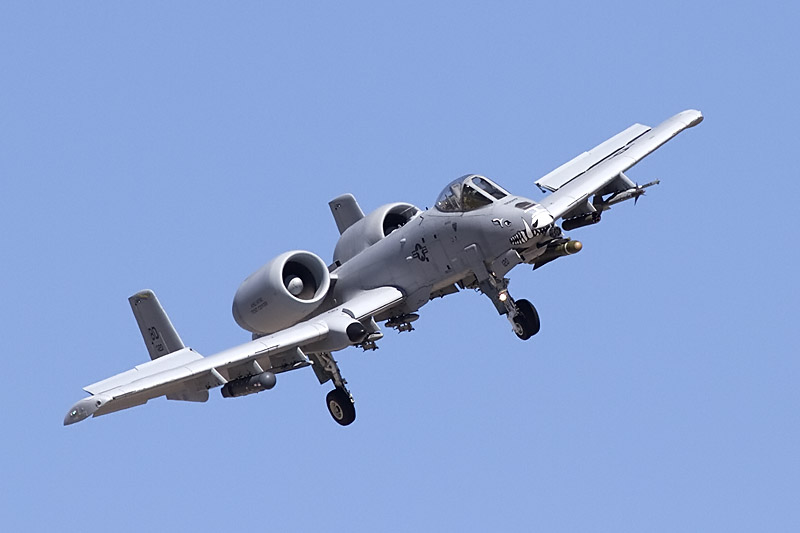
At Davis-Monthan AFB, Arizona, Warthog News contributor Ned Harris from the United States had the opportunity to take the following picture:

AATC A-10C 79-0120 from the 47th Fighter Squadron, 917th Wing (AFRC), Barksdale AFB, Louisiana, on final approve. LITENING AT targeting pod on station 10. (Photo by Ned Harris) Full size
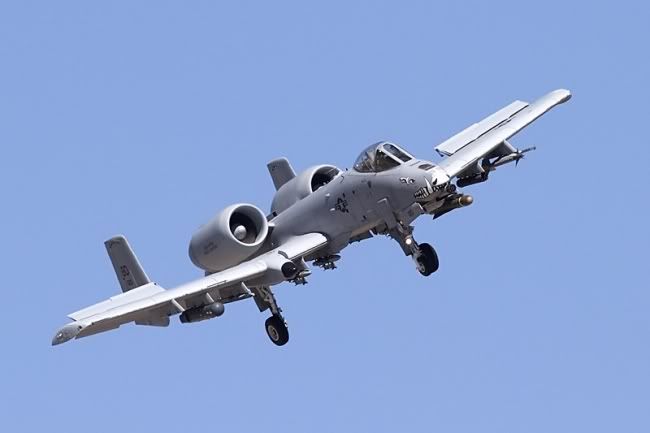
AATC A-10C 79-0120 from the 47th Fighter Squadron, 917th Wing (AFRC), Barksdale AFB, Louisiana, on final approve. LITENING AT targeting pod on station 10. (Photo by Ned Harris) Full size
Subscribe to:
Posts (Atom)


 Posts
Posts